Introduction As the global plastic pollution crisis escalates, traditional recycling methods are proving inadequate to address the scale and complexity of plastic waste. One promising solution gaining traction is pyrolysis—a cutting-edge thermal decomposition process that converts plastic waste into valuable fuels and chemicals. This innovative technology not only offers a sustainable way to tackle non-recyclable plastics but also supports circular economy goals. In this blog, we explore what pyrolysis is, its role in plastic waste management, technical aspects, areas of implementation, key
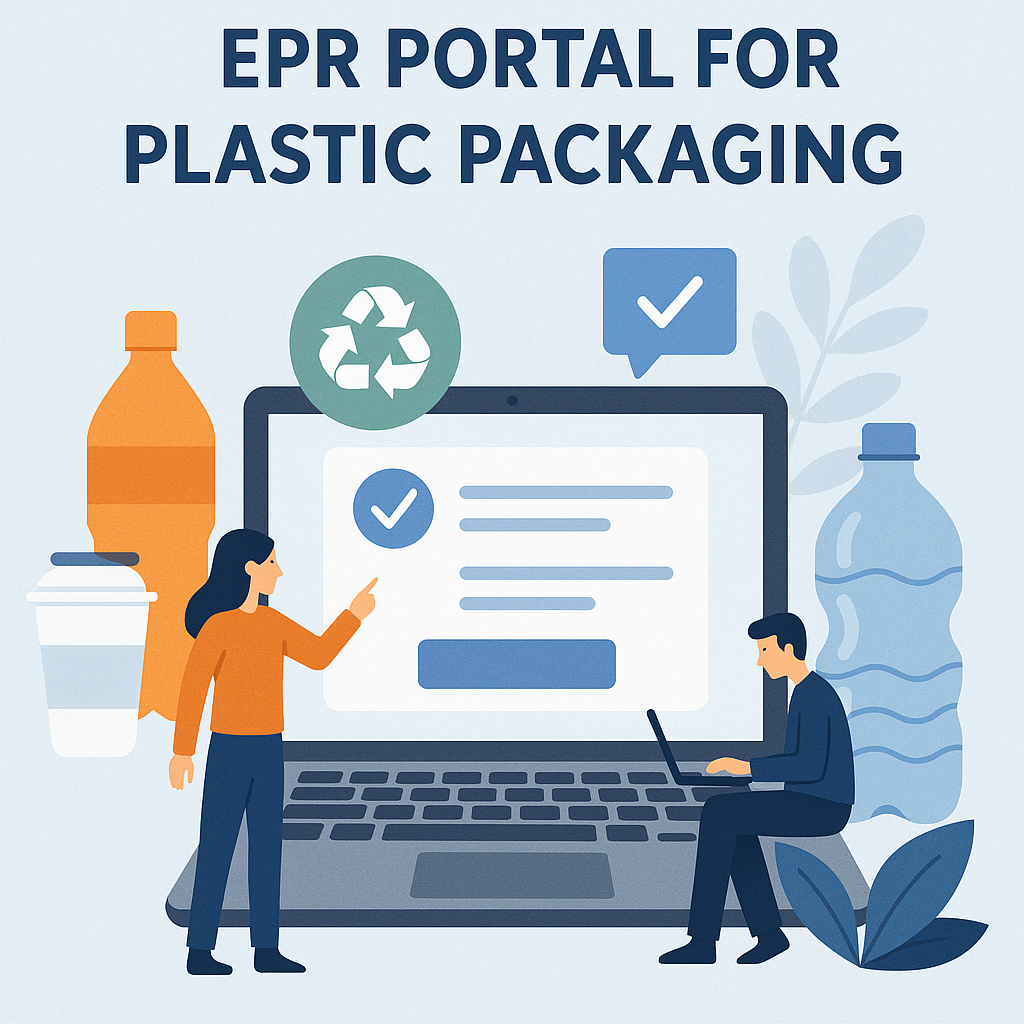
Stay Compliant in 2025: What’s New on CPCB’s EPR Plastic Packaging Portal Quick Refresher: Why the Portal Matters India’s Extended Producer Responsibility (EPR) regime for plastic packaging—anchored in the Plastic Waste Management (PWM) Rules 2016 and overhauled by the 2022 amendment—requires every entity that puts plastic on the market to register on the Central Pollution Control Board’s (CPCB) online portal. Without an active EPR certificate, companies cannot legally manufacture, import, sell, or distribute plastic‑ packaged goods in India. The Classic PIBO
Could the packaged drinking water you trust so deeply actually be contaminated? The nation’s apex food safety authority, the Food Safety and Standards Authority of India (FSSAI), has recently classified packaged drinking water under the “high-risk food category.” This move ensures that manufacturers are subjected to thorough inspections at least once annually, a prerequisite for securing their operational license, as outlined in the latest notification. Why is packaged water labelled as high-risk? Labelling a product as “high-risk” is intended to enforce stringent regular