Plastic treaty

PLASTICS OVER PLANET OR PLASTICS FOR BUSINESS?

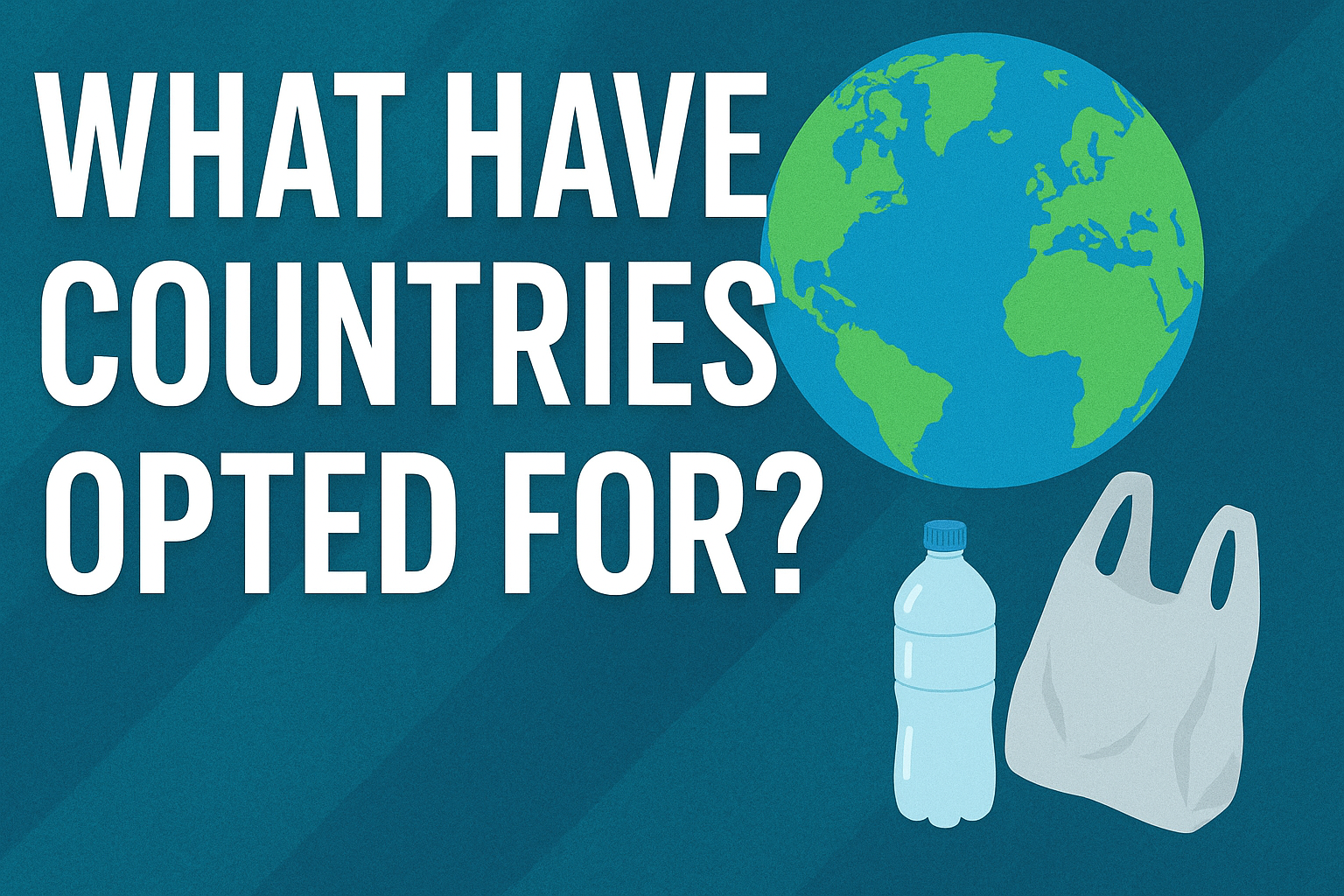
What Have Countries Opted For? – Outcome of INC-5 Geneva Session on Plastic Pollution The recently concluded second part of the Fifth Session of the Intergovernmental Negotiating Committee (INC-5), held in Geneva, Switzerland from 5th – 14th August 2025, brought together global leaders, policymakers, and organizations to address one of the world’s most pressing challenges – plastic pollution. The session aimed to drive consensus towards a legally binding global treaty to tackle plastic waste, including marine plastic pollution. With participation from 183

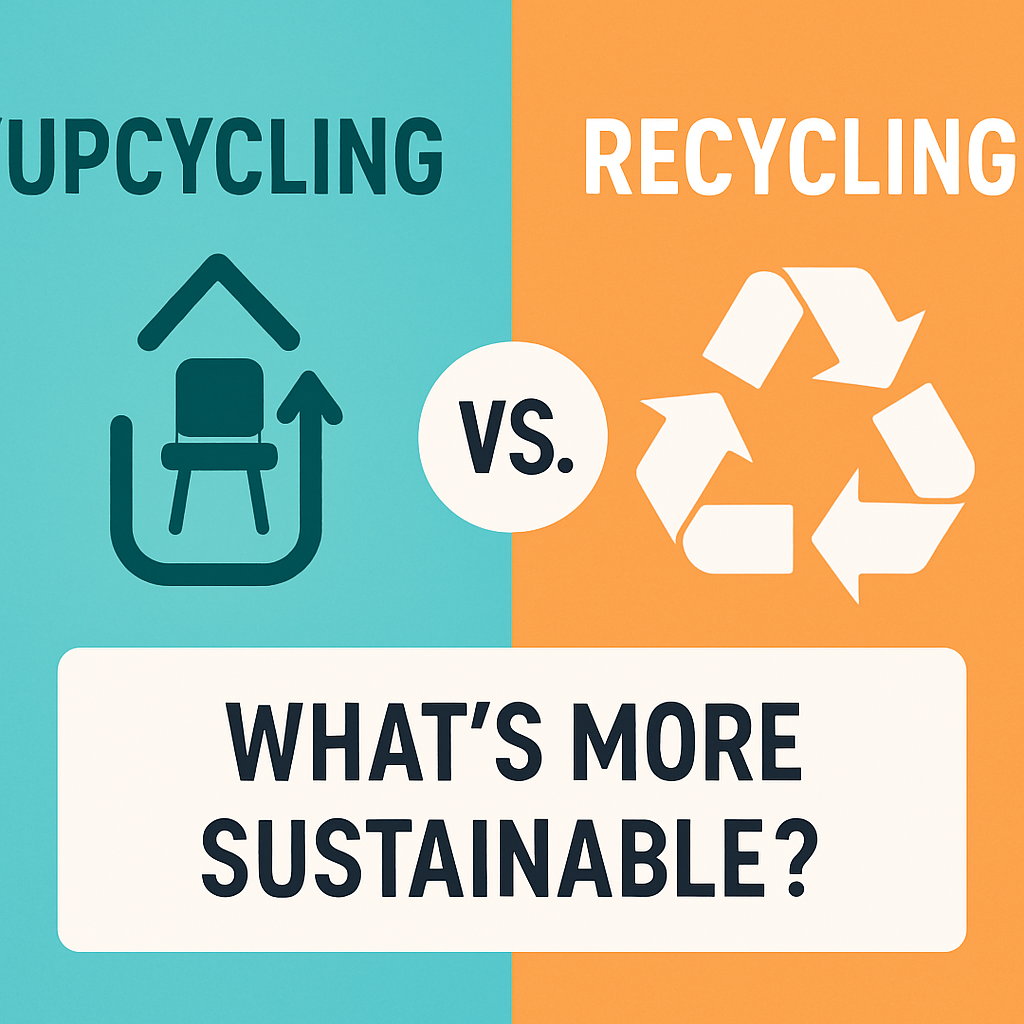
upcycling vs recycling

Upcycling vs. Recycling: What’s More Sustainable?

Introduction As sustainability becomes central to business strategy and consumer behavior, two terms often dominate the conversation: recycling and upcycling. Both are waste management techniques, but they differ significantly in process, output, and environmental impact. So, which is more sustainable—upcycling or recycling? In this blog, we unpack the differences, explore their respective benefits and limitations, and help you understand which approach aligns better with a circular economy. What is Recycling? Recycling is the process of breaking down waste materials and reprocessing them into new,

pyrolysis

Pyrolysis and Its Role in Plastic Waste Management

Introduction As the global plastic pollution crisis escalates, traditional recycling methods are proving inadequate to address the scale and complexity of plastic waste. One promising solution gaining traction is pyrolysis—a cutting-edge thermal decomposition process that converts plastic waste into valuable fuels and chemicals. This innovative technology not only offers a sustainable way to tackle non-recyclable plastics but also supports circular economy goals. In this blog, we explore what pyrolysis is, its role in plastic waste management, technical aspects, areas of implementation, key

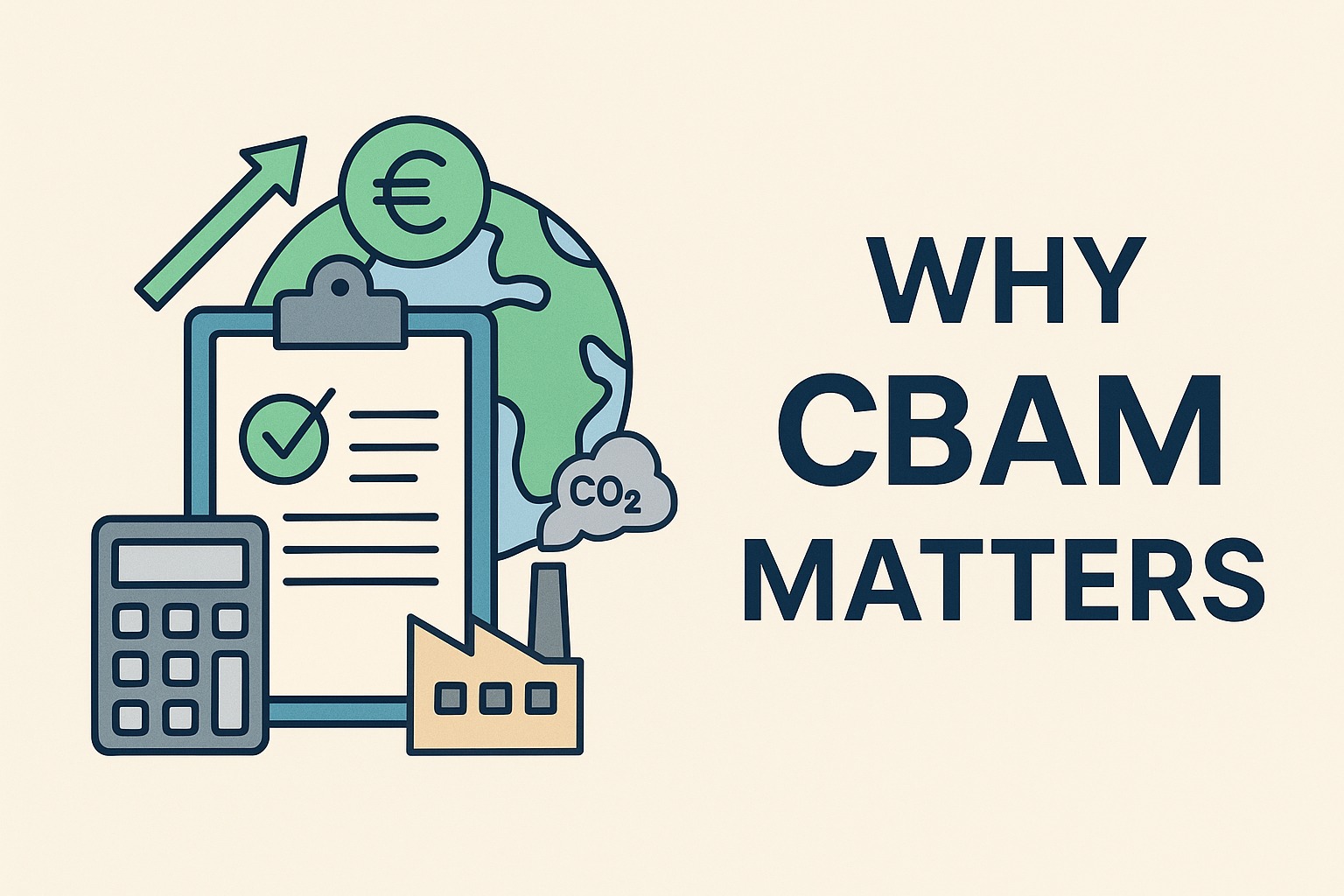
Why CBAM matters

Why CBAM Matters and How Pro India Can Help You Stay Ahead

Introduction: What is CBAM? The Carbon Border Adjustment Mechanism (CBAM) is the European Union’s landmark initiative to address carbon leakage and promote global decarbonization. In simple terms, CBAM is a carbon pricing system applied to certain imported goods into the EU to ensure they meet the same environmental standards as those produced within the EU. From October 2023, the EU started the transitional phase of CBAM, with full implementation expected by 2026. If your business exports

circular waste economy

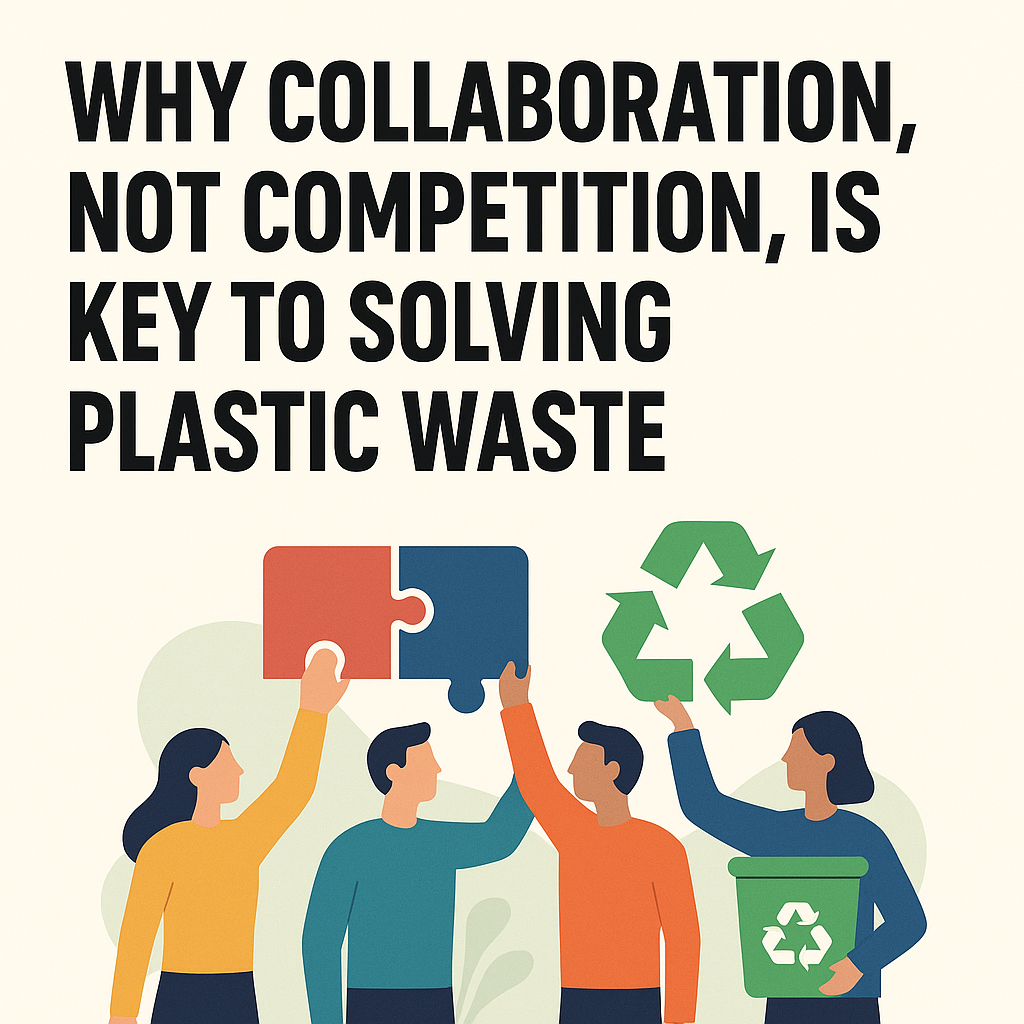
Why Collaboration, Not Competition, Is Key to Solving Plastic Waste

Why Collaboration, Not Competition, Is the Key to Solving Plastic Waste The plastic waste crisis is one of the most pressing environmental challenges of our time. But more than an ecological concern, it is a systemic issue rooted in global supply chains, consumer behavior, and waste infrastructure gaps. Despite growing sustainability pledges by businesses, fragmented actions have often resulted in inefficiencies and slow progress. In reality, no single company, sector, or government can tackle plastic pollution alone. If we are to transition

Img

Circular Economy Success Stories in India

From Waste to Wealth: Circular Economy Success Stories in India ♻️ Introduction India generates over 62 million tonnes of waste annually, and the number is expected to rise with urbanization and consumption patterns. But amid this challenge lies a massive opportunity: the circular economy. The circular economy promotes a closed-loop system—reusing, recycling, and repurposing resources rather than discarding them. Across India, companies, startups, and innovators are showcasing how waste can become wealth, improving the environment while generating economic and social value. In this article,

Img

Eco-Friendly Packaging in India

Eco-Friendly Packaging in India: Trends Consumers Should Know About Introduction As environmental consciousness rises globally, eco-friendly packaging has emerged as a crucial component of sustainable consumption. In India, where waste generation is escalating due to rapid urbanization and e-commerce growth, the shift towards sustainable packaging solutions is both a necessity and an opportunity. Driven by regulatory mandates, ESG (Environmental, Social, and Governance) frameworks, and evolving consumer behavior, India’s packaging industry

Image

India’s Road to Net Zero by 2070

India’s Road to Net Zero by 2070: What It Means to Industries India made global headlines with its ambitious pledge to achieve net-zero emissions by 2070. For the country’s industries, this isn’t just a climate promise—it’s a complete shift in how business will be done in the coming decades. Whether you’re in manufacturing, energy, transport, or agriculture, the ripple effects are already being felt. Let’s break down what this journey means for Indian industries, the key

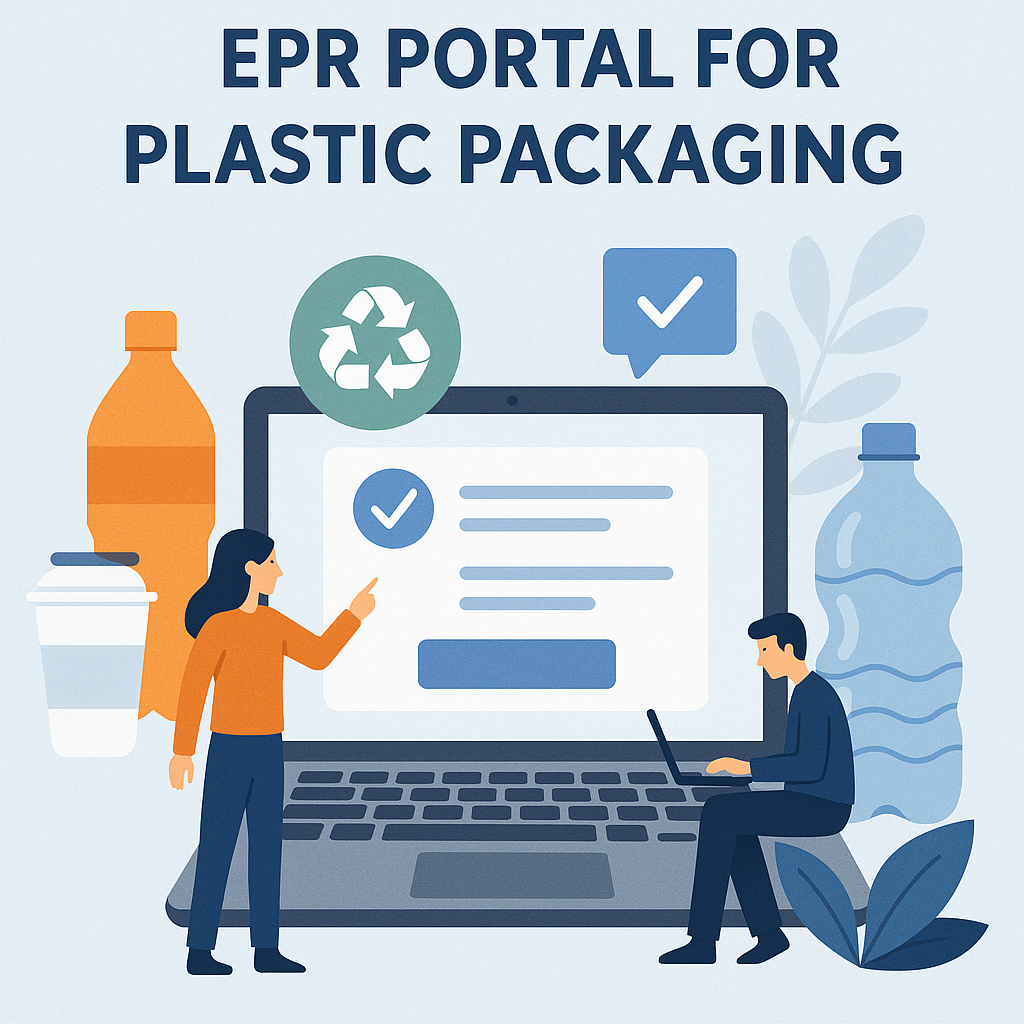
EPR Portal for Plastic Packaging

What’s New on CPCB’s EPR Plastic Packaging Portal

Stay Compliant in 2025: What’s New on CPCB’s EPR Plastic Packaging Portal Quick Refresher: Why the Portal Matters India’s Extended Producer Responsibility (EPR) regime for plastic packaging—anchored in the Plastic Waste Management (PWM) Rules 2016 and overhauled by the 2022 amendment—requires every entity that puts plastic on the market to register on the Central Pollution Control Board’s (CPCB) online portal. Without an active EPR certificate, companies cannot legally manufacture, import, sell, or distribute plastic‑ packaged goods in India. The Classic PIBO

Img

How GRI and BRSR Are Shaping the Future of Sustainability Reporting in India

Beyond Numbers: How GRI and BRSR Are Shaping the Future of Sustainability Reporting in India Sustainability reporting in India has come a long way. What was once seen as a voluntary exercise filled with lofty promises is now evolving into a structured, data-driven, and stakeholder-focused practice. Two frameworks are leading this change: the Global Reporting Initiative (GRI) and Business Responsibility and Sustainability Reporting (BRSR) mandated by SEBI. Together, GRI and BRSR