
Introduction
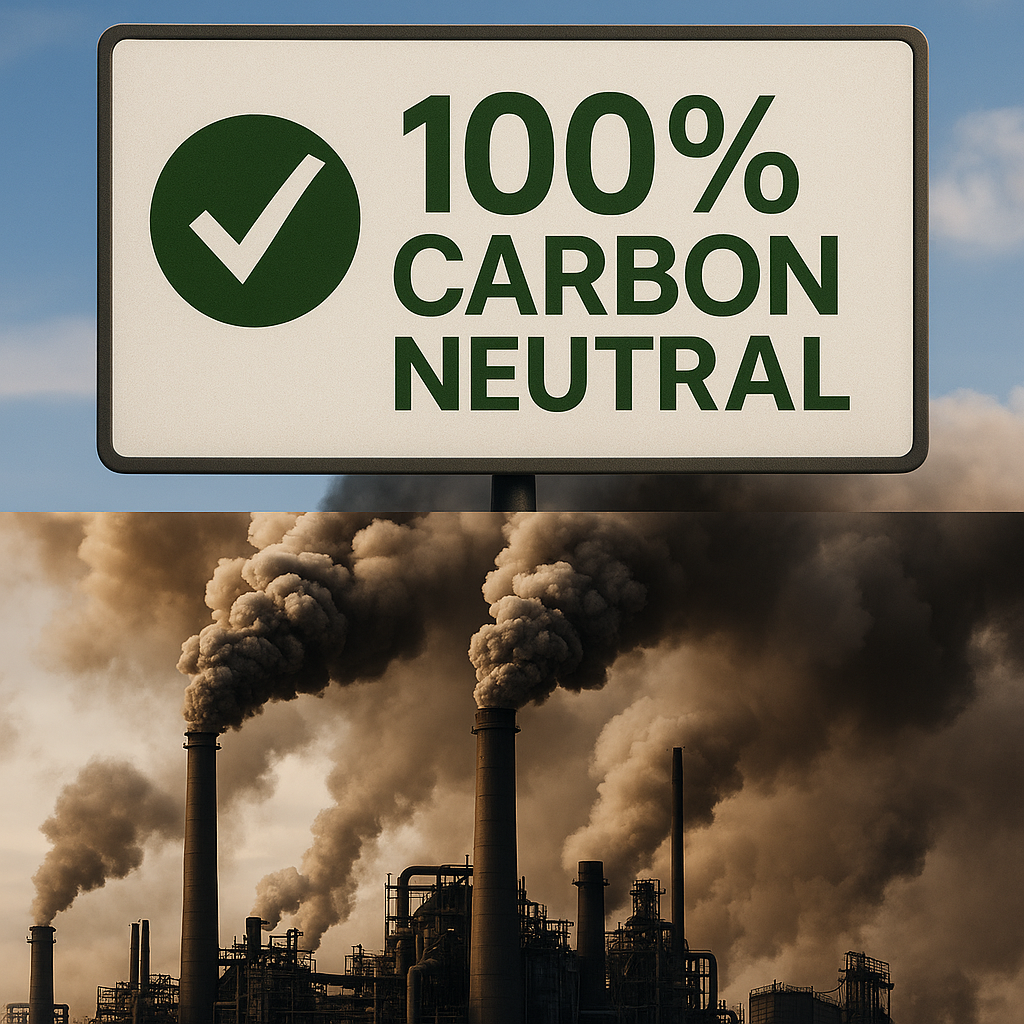
As climate change becomes a central global concern, terms like “net-zero” and “carbon neutral” have entered mainstream discourse. From multinational corporations to small businesses, everyone claims to be embracing sustainability. But are these claims always genuine? Unfortunately, the answer is no. In many cases, companies engage in greenwashing, misleading consumers with false sustainability narratives. Let’s dive into what false net-zero and carbon-neutral claims are, why they’re problematic, and how we can spot and prevent them.
What is Net-Zero and Carbon Neutrality?
- Net-zero emissions mean that a company balances the amount of greenhouse gases emitted with the amount removed from the atmosphere.
- Carbon neutrality refers to offsetting carbon dioxide emissions through carbon credits, renewable energy projects, or tree planting.
While these terms are powerful when implemented correctly, they are often used irresponsibly to gain public favor or avoid regulatory scrutiny.
Understanding False Claims: The Greenwashing Trap
False net-zero or carbon-neutral claims occur when a company:
- Overstates its environmental achievements
- Relies heavily on carbon offsets without reducing actual emissions
- Uses misleading labels or vague language without scientific backing
- Sets distant goals (e.g., “net-zero by 2050”) without short-term action plans
This practice, known as greenwashing, creates a false image of environmental responsibility, misleading consumers, investors, and regulators.
Real-World Examples of Greenwashing
- A well-known fashion brand claimed carbon neutrality while continuing mass production with fossil-fuel-based energy.
- A global airline advertised “net-zero flights” based on carbon offsets while expanding its fleet.
- A tech company promoted 100% renewable energy usage, while still sourcing electricity from coal-based grids in developing nations.
These examples showcase how companies exploit loopholes to appear sustainable without real change.
Why It Matters: The Risks of False Claims
- Undermines climate action: It gives a false sense of progress, delaying real solutions.
- Misleads consumers: People want to make eco-friendly choices, and false claims erode trust.
- Unfair competition: Genuine sustainable businesses may struggle against deceptive competitors.
- Regulatory backlash: Increasing global scrutiny can lead to legal penalties and reputational damage.
How to Identify Genuine Net-Zero Commitments
- Look for third-party certifications (e.g., Science Based Targets initiative – SBTi)
- Check for transparent reporting with annual emissions data
- Review if the company focuses on reducing emissions, not just offsetting
- Verify their short-term goals and milestones
- Investigate their supply chain practices
The Way Forward: Accountability & Transparency
To combat false net-zero claims:
- Governments must enforce stricter regulations and auditing
- Consumers should demand proof and hold companies accountable
- Businesses need to prioritize emissions reduction over PR
- Media and watchdogs should expose greenwashing practices
Sustainability isn’t a label—it’s a responsibility.