Updates
Practical, India-first writing on ESG, EPR, BRSR, CBAM and climate — authored by the Pro India team.
Sustainability in the Indian Banking Sector
In today’s day and age, any business being unsustainable is not only looked down upon but could also lead to its untimely…
Sustainability in Pharmaceutical Packaging: Balancing Challenges and Innovations
The pharmaceutical industry operates within a stringent regulatory framework that demands stringent safety and hygiene standards for packaging. These requirements extend beyond…
Sustainable Electronics: Innovations and Challenges in Green Manufacturing
In a rapidly changing world, the electronics industry is at the cusp of a remarkable transformation – one driven by an urgent…

Embracing the Future: Sustainable Electronic Materials Shaping the PCB Industry
Understanding recycling’s essence requires acknowledging the finite nature of resources. It also entails recognizing that recycling serves as the cornerstone of sustainability,…

The Collision of Fast Fashion and E-Commerce: Unraveling the Impact on Clothing Waste
Introduction The fashion industry has undergone a profound transformation with the advent of fast fashion and e-commerce. While these trends have brought…

Plastic Waste: Study finds how oceans release microplastics into atmosphere
OLDENBURG: Microplastic waste can be discovered in the marine environment even at far-off places in the world. According to research led by…

Bhutan achieves the milestone of becoming a net-zero carbon emission nation.
Bhutan has emerged as an exemplary nation with a remarkable achievement of net zero emissions, effectively curbing its carbon footprint and even…
Sustainability in Pharmaceutical Packaging: Balancing Challenges and Innovations
The pharmaceutical industry operates within a stringent regulatory framework that demands stringent safety and hygiene standards for packaging. These requirements extend beyond…

E-Waste: One nation one charger policy
🌐🔌 One Nation, One Charger Policy: A Bold Step Towards E-Waste Reduction! 📱💻🔌 E-waste is a growing concern, and India is no…
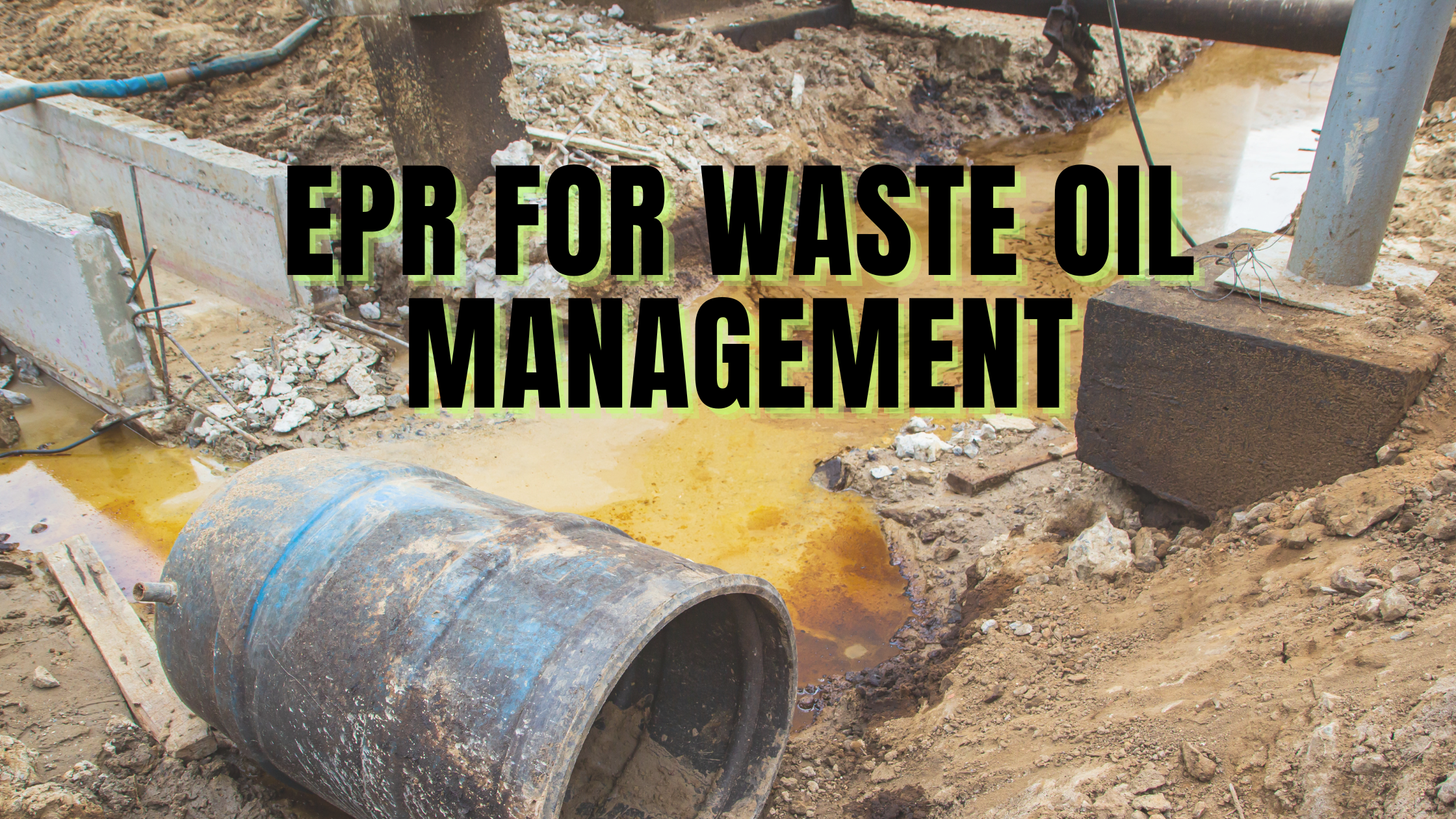
EPR for Waste Oil Management
[vc_row][vc_column][vc_column_text] Introduction The world is facing an ever-increasing challenge in managing waste, with hazardous materials like waste oil posing a significant threat…