upcycling vs recycling

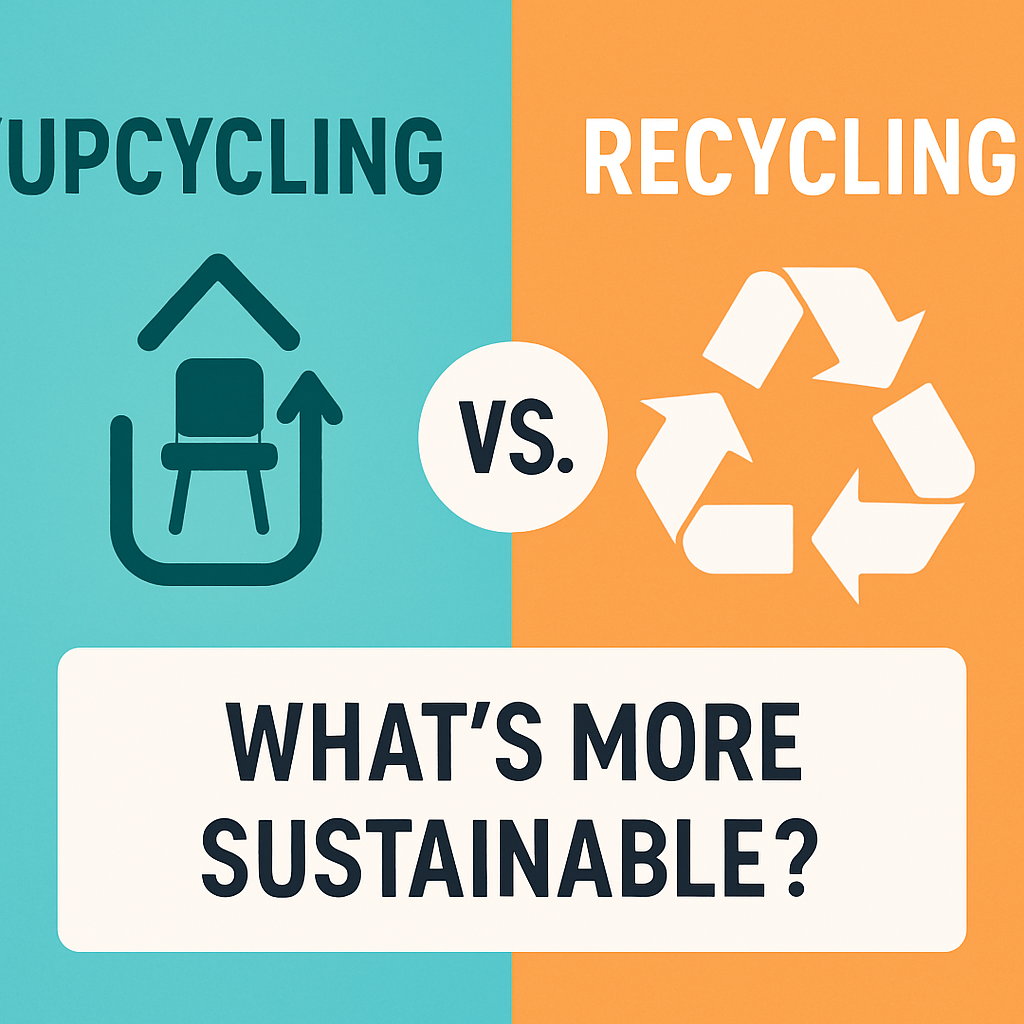
Upcycling vs. Recycling: What’s More Sustainable?

Introduction As sustainability becomes central to business strategy and consumer behavior, two terms often dominate the conversation: recycling and upcycling. Both are waste management techniques, but they differ significantly in process, output, and environmental impact. So, which is more sustainable—upcycling or recycling? In this blog, we unpack the differences, explore their respective benefits and limitations, and help you understand which approach aligns better with a circular economy. What is Recycling? Recycling is the process of breaking down waste materials and reprocessing them into new,

pyrolysis

Pyrolysis and Its Role in Plastic Waste Management

Introduction As the global plastic pollution crisis escalates, traditional recycling methods are proving inadequate to address the scale and complexity of plastic waste. One promising solution gaining traction is pyrolysis—a cutting-edge thermal decomposition process that converts plastic waste into valuable fuels and chemicals. This innovative technology not only offers a sustainable way to tackle non-recyclable plastics but also supports circular economy goals. In this blog, we explore what pyrolysis is, its role in plastic waste management, technical aspects, areas of implementation, key

EPD

Master Sustainability with Pro India’s Environmental Product Declaration (EPD) Training – Launching 26th July!

In today’s eco-conscious and competitive business landscape, transparency in environmental performance is no longer optional — it’s essential. Whether you’re a manufacturer, sustainability professional, ESG executive, or environmental consultant, understanding how to assess and communicate the environmental impact of products is crucial. That’s where Environmental Product Declarations (EPDs) come into play. And now, for the first time, Pro India is proud to launch its EPD Training Program — going live online on 26th July 2025! 🌱 👉 Learn more and register

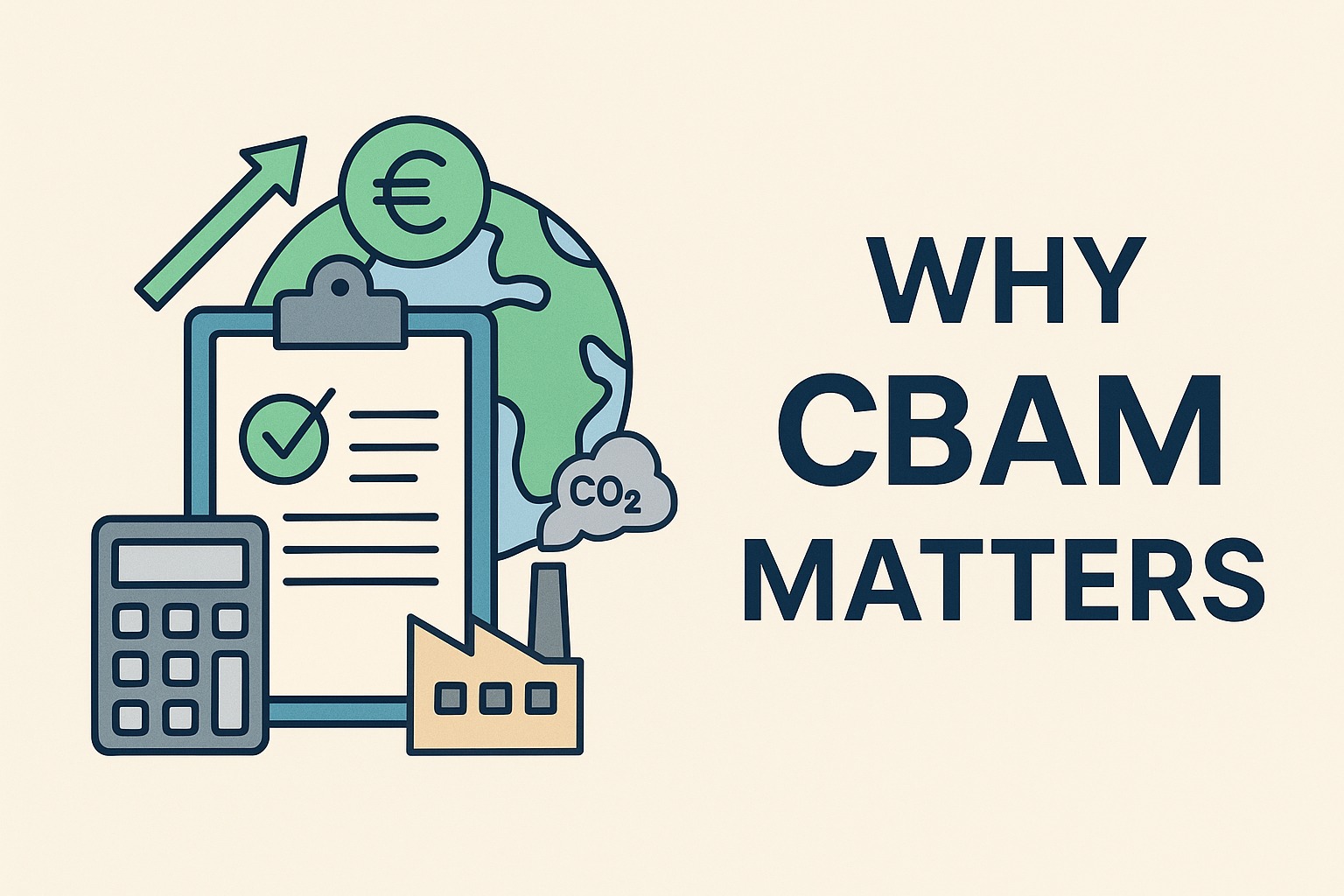
Why CBAM matters

Why CBAM Matters and How Pro India Can Help You Stay Ahead

Introduction: What is CBAM? The Carbon Border Adjustment Mechanism (CBAM) is the European Union’s landmark initiative to address carbon leakage and promote global decarbonization. In simple terms, CBAM is a carbon pricing system applied to certain imported goods into the EU to ensure they meet the same environmental standards as those produced within the EU. From October 2023, the EU started the transitional phase of CBAM, with full implementation expected by 2026. If your business exports

Img

Circular Economy Success Stories in India

From Waste to Wealth: Circular Economy Success Stories in India ♻️ Introduction India generates over 62 million tonnes of waste annually, and the number is expected to rise with urbanization and consumption patterns. But amid this challenge lies a massive opportunity: the circular economy. The circular economy promotes a closed-loop system—reusing, recycling, and repurposing resources rather than discarding them. Across India, companies, startups, and innovators are showcasing how waste can become wealth, improving the environment while generating economic and social value. In this article,

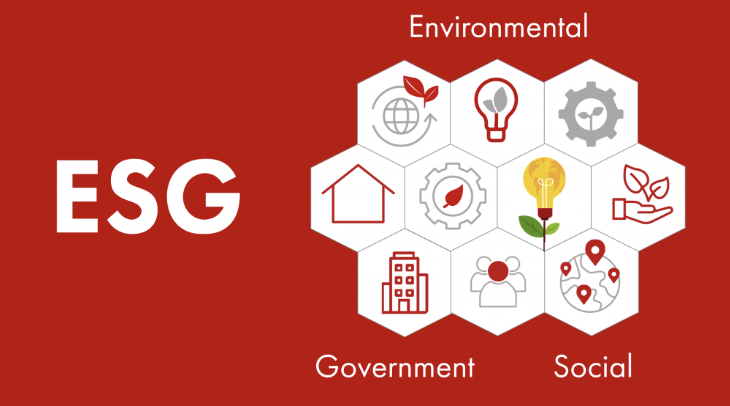
ESG

Why ESG Is Not Optional Anymore

Why ESG Is Not Optional Anymore: The Industrial Sector’s Role in India’s Green Goals Introduction In an era defined by climate urgency and stakeholder activism, Environmental, Social, and Governance (ESG) is no longer a corporate buzzword—it’s a business imperative. For India, a nation with ambitious net-zero goals by 2070, the industrial sector’s participation in ESG adoption is critical. With growing regulatory pressures and investor expectations, embracing ESG is not optional anymore—especially for

Plastic Waste Management: A Global Call to Action

Plastic Waste Management: A Global Call to Action In the modern world, plastic is everywhere—from packaging and electronics to everyday items like bottles and bags. While its convenience is undeniable, its improper disposal has led to a crisis that demands immediate action. Plastic waste management is no longer an environmentalist’s concern—it’s a global responsibility. The Plastic Problem: A Global Crisis According to the United Nations, over 400 million tonnes of plastic are produced every year

IMG

Carbon Markets: Trading Solutions or Just Greenwashing?

Carbon Markets: Trading Solutions or Just Greenwashing? In an era of heightened awareness about climate change, carbon markets have emerged as a potential solution for reducing global emissions. But as the urgency to combat climate change increases, questions arise about the true effectiveness of these markets. Are carbon markets a legitimate trading solution that can help us meet our net-zero targets, or are they just another form of greenwashing, allowing companies to appear sustainable without making real changes? In

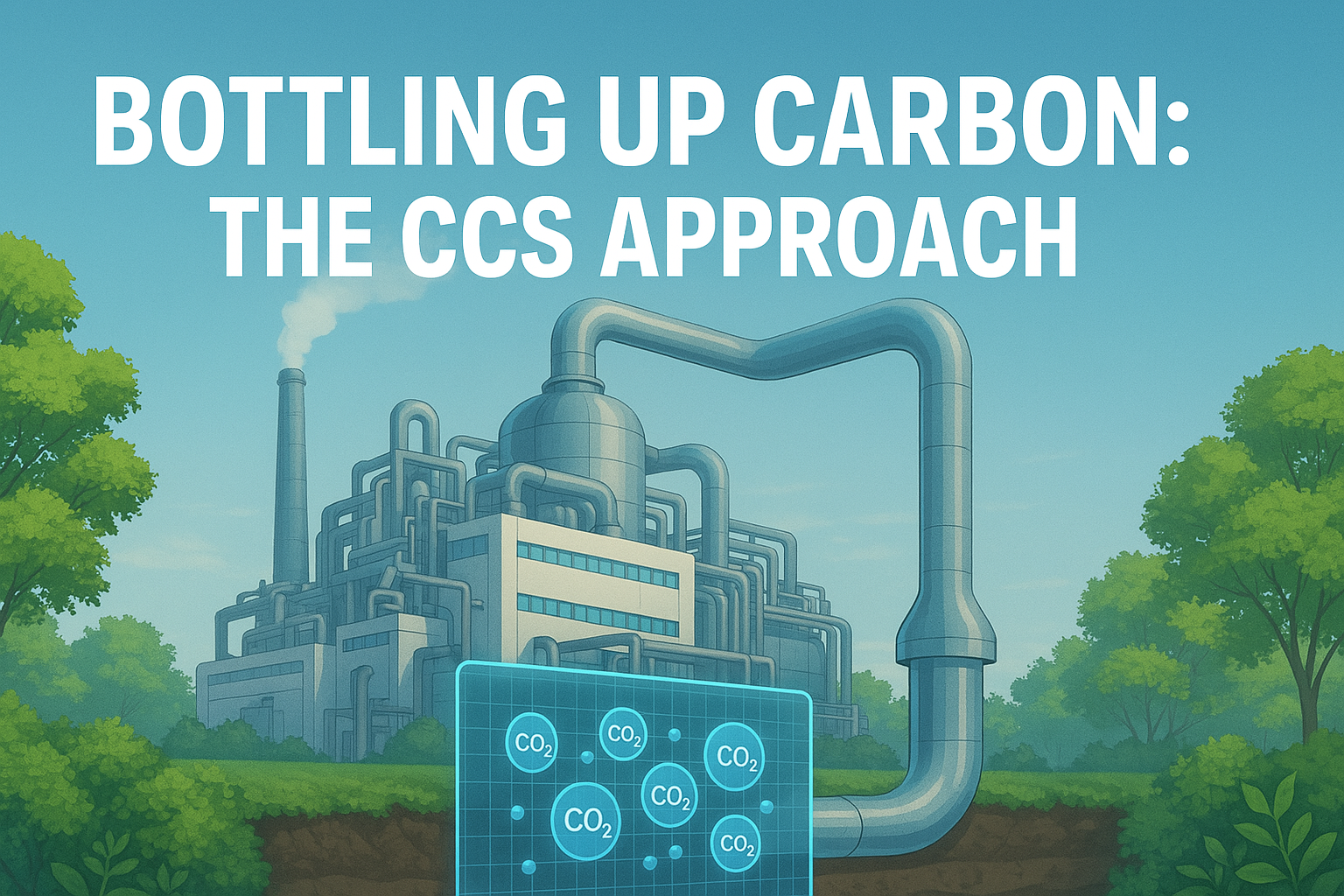
CCS

Bottling Up Carbon: The CCS Approach

Introduction Climate change is one of the most pressing issues of our time, and reducing carbon emissions is critical to slowing global warming. While renewable energy sources like wind and solar are gaining traction, industries such as power generation, cement, and steel manufacturing continue to rely on fossil fuels. These industries account for a significant portion of global greenhouse gas (GHG) emissions. One solution that is gaining momentum is Carbon Capture and Storage (CCS)—a technology designed to

IMG

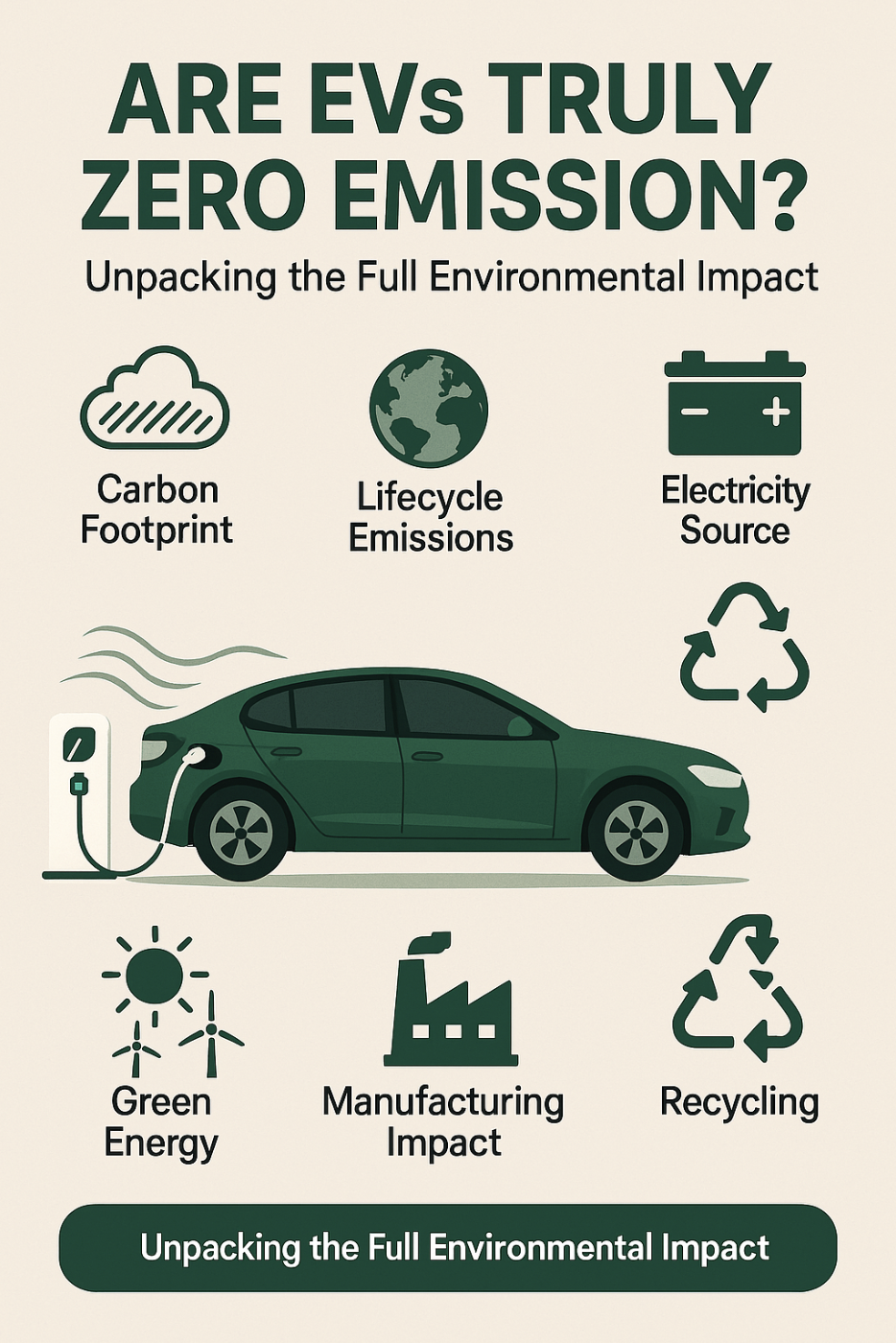
Are EVs Truly Zero Emission? Unpacking Their Full Environmental Impact

Are EVs Truly Zero Emission? Unpacking Their Full Environmental Impact Electric vehicles (EVs) have emerged as a cornerstone of the global shift toward clean transportation. Marketed as “zero-emission” alternatives to gasoline-powered cars, EVs have gained traction for their potential to combat climate change. However, the reality is more nuanced. While they produce no tailpipe emissions, the entire lifecycle of an EV—from raw material extraction to manufacturing, energy consumption, and disposal—reveals a broader environmental footprint. To understand the true impact