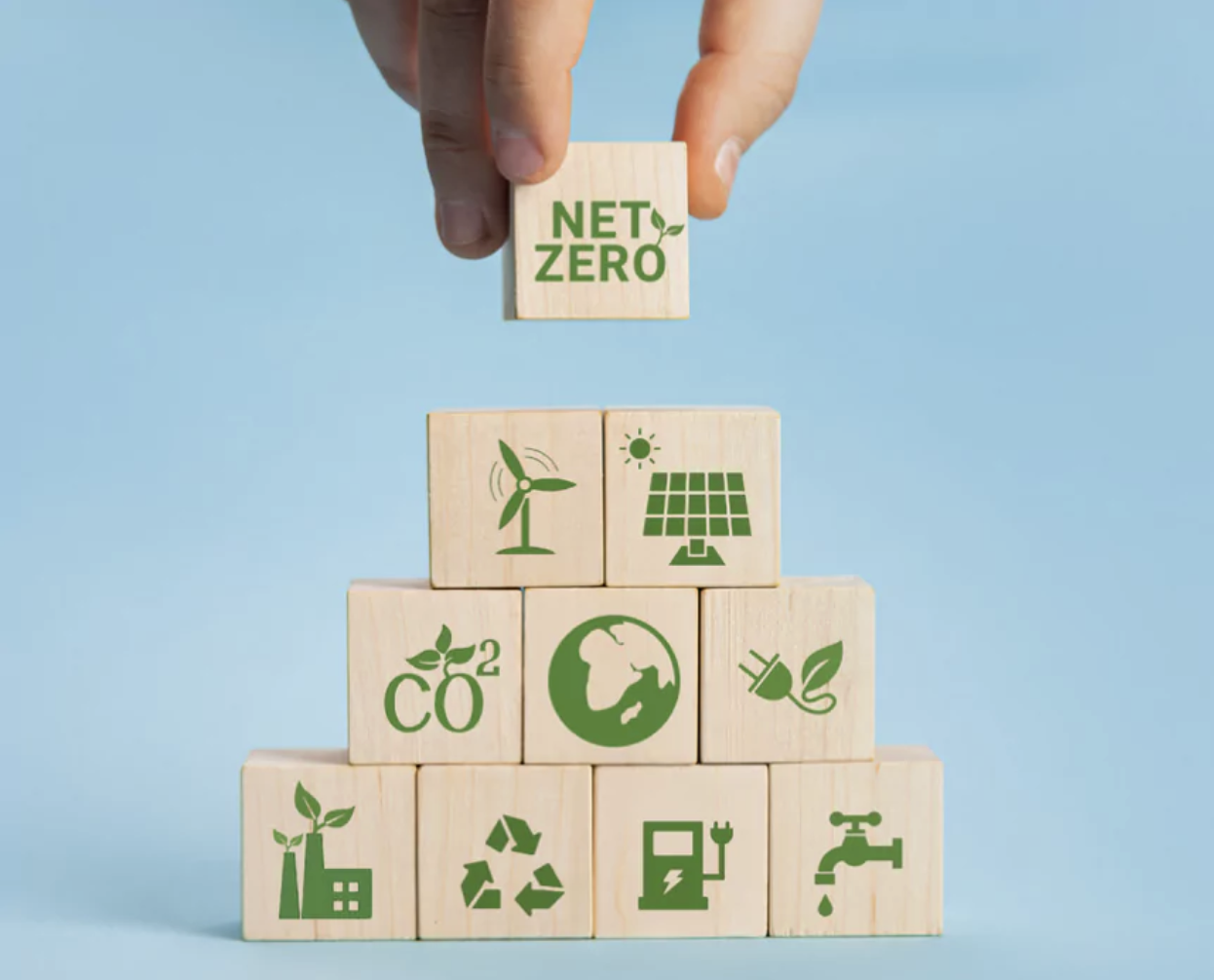
Path to Net Zero: How Businesses Can Achieve Carbon Neutrality In today’s world, where climate change is no longer a distant concern, businesses are increasingly being called upon to reduce their environmental impact. The concept of “net zero” or carbon neutrality is quickly becoming a key focus, not just for governments, but for the private sector as well. Achieving carbon neutrality is critical not only for the environment but also for businesses aiming to remain competitive, sustainable, and in
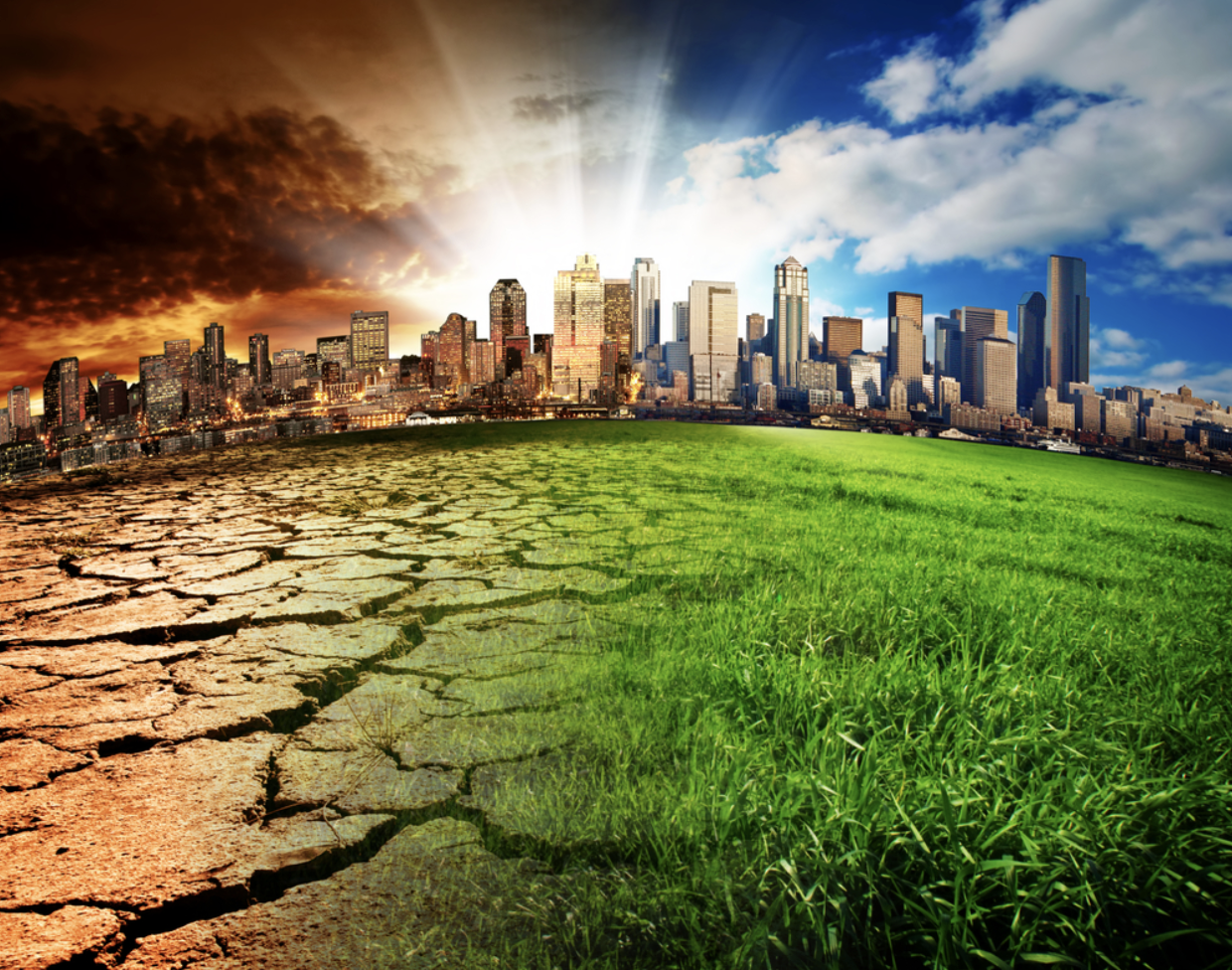
Climate Chaos: Adapting to the New Business Normal The world is facing an era of unprecedented climate instability. From extreme weather events to supply chain disruptions, businesses are no longer just observers of climate change—they are on the front lines. Companies that fail to adapt risk financial instability, operational challenges, and repetitional damage. The new business normal is one where sustainability and resilience must be embedded into every decision. The Reality of Climate Chaos Rising global temperatures, erratic weather
What Are Zero Emissions and why it matters Zero emissions refer to the complete elimination of greenhouse gas emissions, particularly carbon dioxide (CO2), from human activities. This means that no harmful pollutants are released into the atmosphere from energy production, transportation, manufacturing, or other industrial processes. Achieving zero emissions is essential to mitigating the impacts of global warming and protecting ecosystems. The primary driver behind zero emissions is the urgent need to curb climate change. Rising global temperatures
Introduction In today’s business landscape, sustainability has become more than just a buzzword—it’s a competitive advantage. Consumers demand eco-friendly products, investors prioritise companies with strong Environmental, Social, and Governance (ESG) commitments, and regulators tighten their grip on corporate sustainability reporting. But with the rise of green claims comes the risk of greenwashing—when companies exaggerate or fabricate their environmental credentials to mislead stakeholders. So, how can we differentiate genuine corporate sustainability from deceptive marketing? The Rise of Greenwashing Greenwashing occurs
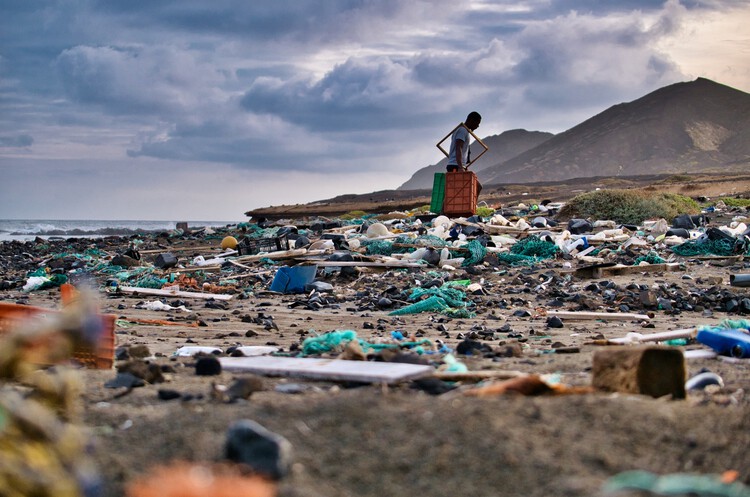
Biodegradable: Plastics & Innovative Waste Solutions Biodegradable: Plastic waste has become a major environmental issue. The planet faces increasing challenges with plastic pollution, especially in oceans and landfills. Innovative plastic waste management solutions are critical to achieving a sustainable future. This blog explores cutting-edge technologies and practices that can reduce plastic waste and its impact on the environment. Biodegradable: The Growing Need for Plastic Waste Management Plastic waste has rapidly increased in recent decades. The convenience and affordability of plastic products are
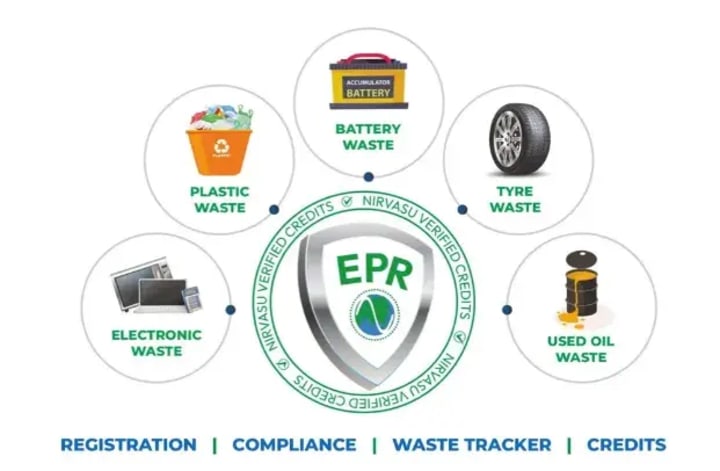
Waste Management: EPR’s Evolution In the face of growing plastic waste and environmental degradation, Extended Producer Responsibility (EPR) has emerged as a revolutionary approach to waste management. EPR shifts the responsibility for managing the environmental impact of products, including their post-consumer stage, from governments to producers. This concept has not only reshaped waste management practices globally but also aligned industries with the principles of the circular economy. What is EPR? EPR stands for Extended Producer
The ESG Dilemma: Is Greenwashing Undermining Corporate Sustainability Efforts? Environmental, Social, and Governance (ESG) principles have become the gold standard for assessing corporate responsibility and sustainability. However, as ESG gains traction, a darker side has emerged: the rise of greenwashing. This controversial practice raises questions about whether ESG is genuinely driving change or simply serving as a PR tool for corporations. To become an ESG expert get certification now click on: certificate What is Greenwashing? Greenwashing occurs
Sustainability has become a critical driver of modern business strategies. As organizations seek to align their operations with global sustainability objectives, two frameworks have emerged as key guiding principles: Environmental, Social, and Governance (ESG) and the United Nations Sustainable Development Goals (UN SDGs). While ESG focuses on corporate practices, the SDGs outline a universal agenda to address pressing global challenges by 2030. The synergy between ESG and the UN
The Role of ESG in Shaping the Future Workforce: Why Students and Recent Graduates Should Care About Sustainability In a world increasingly driven by sustainability, Sustainability Reporting, Environmental, Social, and Governance (ESG) principles have emerged as a cornerstone for businesses and organizations striving for long-term success. For students and recent graduates, understanding and embracing ESG is not just a trend—it’s a career imperative. Here’s why ESG matters to the future workforce and how young professionals can prepare to thrive
Sustainability: Understanding EHS and ESG EHS and ESG represent two distinct yet interconnected approaches to sustainability and corporate responsibility. What is EHS and ESG? EHS focuses on ensuring safe workplace practices, protecting employee health, and minimizing environmental impact through operational measures. On the other hand, ESG is a broader framework that evaluates a company’s environmental, social, and governance initiatives to assess its overall ethical and sustainable practices. Importance in Modern Business: Both frameworks have become integral to the way businesses operate, ensuring compliance