

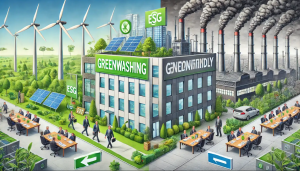
The ESG Dilemma: Is Greenwashing Undermining Corporate Sustainability Efforts?
Environmental, Social, and Governance (ESG) principles have become the gold standard for assessing corporate responsibility and sustainability. However, as ESG gains traction, a darker side has emerged: the rise of greenwashing. This controversial practice raises questions about whether ESG is genuinely driving change or simply serving as a PR tool for corporations.
To become an ESG expert get certification now click on: certificate
What is Greenwashing?
Greenwashing occurs when companies exaggerate or falsely advertise their environmental or social initiatives to appear more sustainable than they actually are. From misleading claims about carbon neutrality to overstating community engagement efforts, greenwashing undermines trust in ESG metrics and misleads stakeholders.
Recent Examples
- Fashion Industry: Several major brands have been accused of using vague labels like “sustainable” or “eco-friendly” without providing evidence or third-party verification.
- Energy Sector: Oil and gas companies have launched campaigns highlighting their investments in renewable energy while continuing to expand fossil fuel operations.
- Technology Giants: Some tech companies claim carbon neutrality by purchasing carbon offsets without addressing the emissions from their supply chains.
Check our website to know more: PROINDIA
These examples reveal a disturbing trend: ESG can sometimes be more about optics than outcomes.
Why Does Greenwashing Persist?
- Lack of Standardization: ESG reporting frameworks vary widely, making it difficult to verify claims or hold companies accountable.
- Pressure to Perform: With investors and consumers increasingly demanding sustainability, some companies resort to greenwash to maintain their competitive edge.
- Weak Enforcement: Regulatory bodies often lack the tools or authority to penalize misleading ESG claims effectively.
The Impact of Greenwashing
- Eroded Trust: Greenwashing damages stakeholder confidence, making it harder for genuine ESG leaders to stand out.
- Misallocated Resources: By diverting attention to superficial efforts, greenwashing delays real progress on critical issues like climate change and social equity.
- Market Distortion: Companies that genuinely invest in ESG may lose out to competitors who rely on misleading claims to attract investors and customers.
How Can Stakeholders Combat Greenwash?
- Demand Transparency: Investors, consumers, and regulators must push for standardized ESG reporting and third-party audits.
- Verify Claims: Stakeholders should scrutinize sustainability claims and seek evidence of measurable outcomes.
- Support Accountability: Advocate for stronger regulations to penalize companies that engage in greenwashing.
The Path Forward
While greenwashing remains a significant challenge, it also presents an opportunity to strengthen ESG practices. Companies that prioritize transparency and accountability can set themselves apart in an increasingly skeptical market. For ESG to fulfill its promise of driving meaningful change, stakeholders must stay vigilant and demand authenticity.