Plastic treaty

PLASTICS OVER PLANET OR PLASTICS FOR BUSINESS?

What Have Countries Opted For? – Outcome of INC-5 Geneva Session on Plastic Pollution The recently concluded second part of the Fifth Session of the Intergovernmental Negotiating Committee (INC-5), held in Geneva, Switzerland from 5th – 14th August 2025, brought together global leaders, policymakers, and organizations to address one of the world’s most pressing challenges – plastic pollution. The session aimed to drive consensus towards a legally binding global treaty to tackle plastic waste, including marine plastic pollution. With participation from 183

upcycling vs recycling

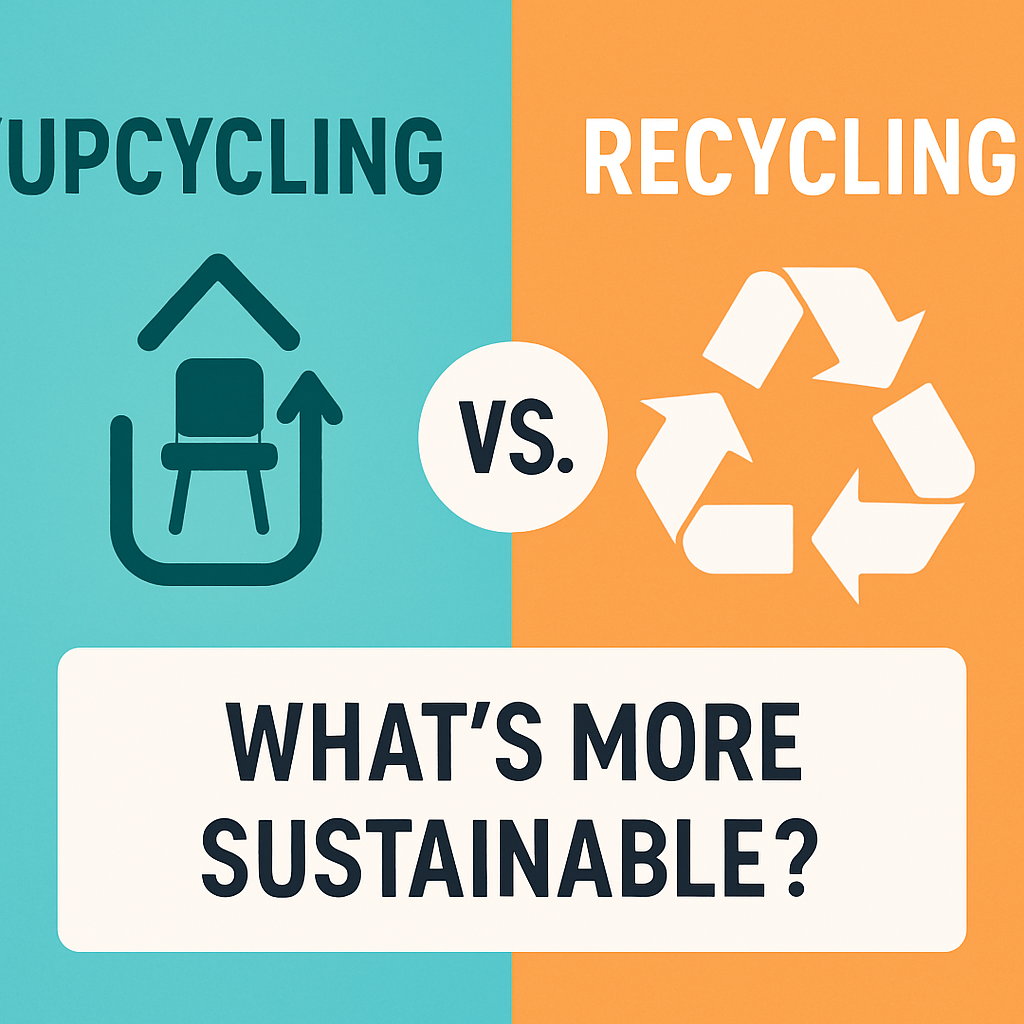
Upcycling vs. Recycling: What’s More Sustainable?

Introduction As sustainability becomes central to business strategy and consumer behavior, two terms often dominate the conversation: recycling and upcycling. Both are waste management techniques, but they differ significantly in process, output, and environmental impact. So, which is more sustainable—upcycling or recycling? In this blog, we unpack the differences, explore their respective benefits and limitations, and help you understand which approach aligns better with a circular economy. What is Recycling? Recycling is the process of breaking down waste materials and reprocessing them into new,

pyrolysis

Pyrolysis and Its Role in Plastic Waste Management

Introduction As the global plastic pollution crisis escalates, traditional recycling methods are proving inadequate to address the scale and complexity of plastic waste. One promising solution gaining traction is pyrolysis—a cutting-edge thermal decomposition process that converts plastic waste into valuable fuels and chemicals. This innovative technology not only offers a sustainable way to tackle non-recyclable plastics but also supports circular economy goals. In this blog, we explore what pyrolysis is, its role in plastic waste management, technical aspects, areas of implementation, key

When Can Companies Claim a Product is Circular?

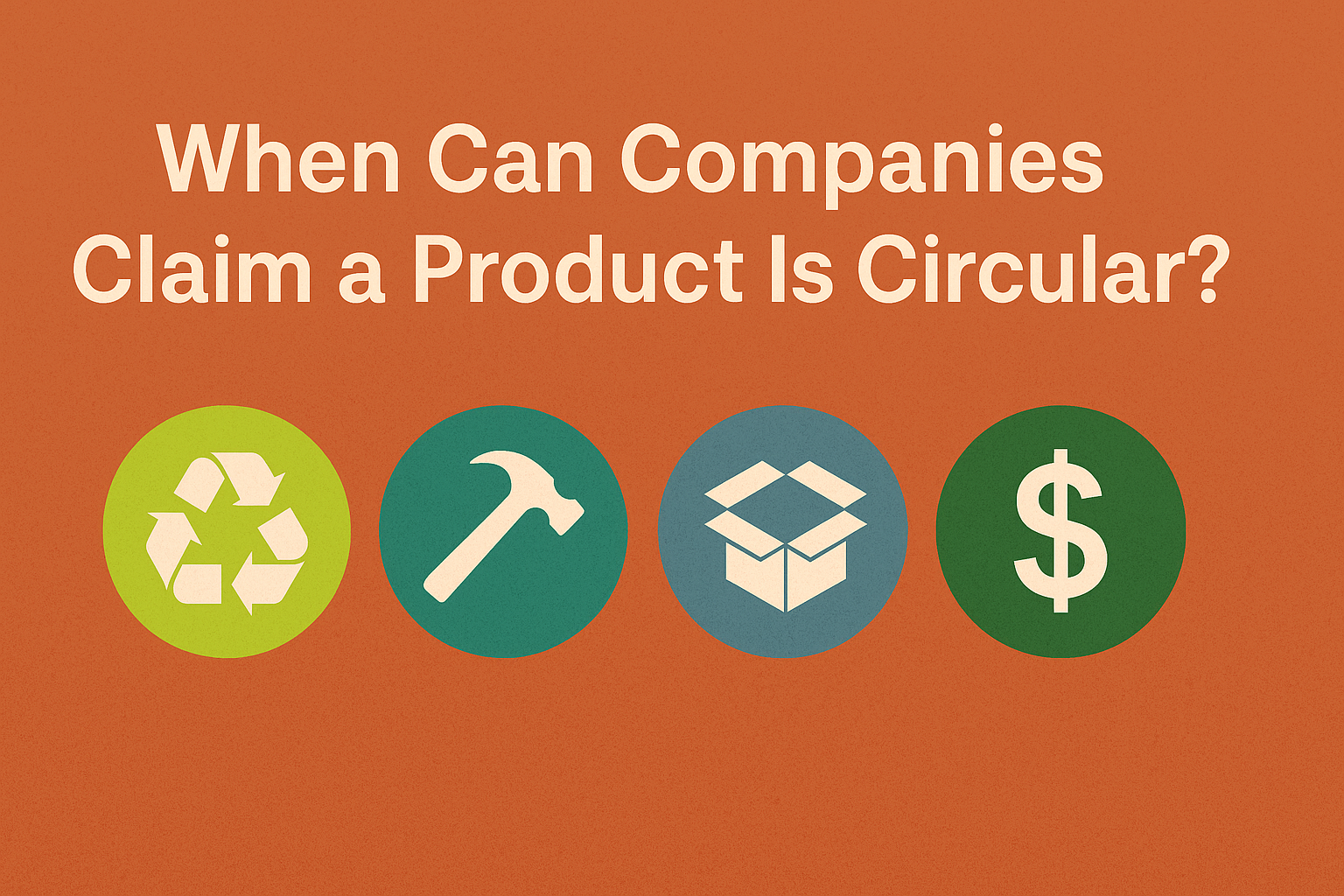
When Can Companies Claim a Product Is Circular?

In today’s sustainability-driven world, the concept of a circular product is more than just a trend—it’s a necessity. However, many businesses have begun labeling their products as “circular” without a full understanding of what that really means. This creates confusion for consumers and damages trust in the sustainability movement. So, when can a company legitimately claim a product is circular? And how can we distinguish authentic circularity from clever marketing? This blog explores the answers in detail. We’ll cover what circularity entails,

circular waste economy

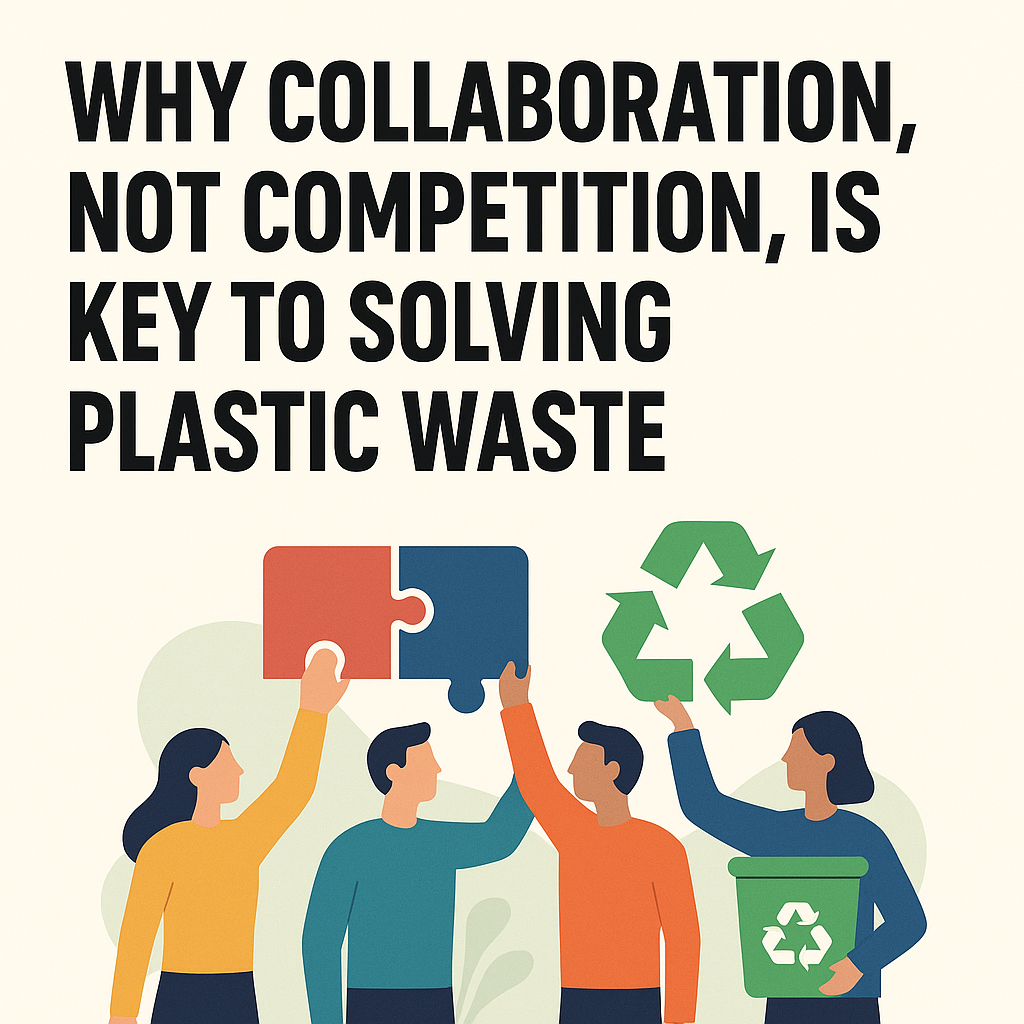
Why Collaboration, Not Competition, Is Key to Solving Plastic Waste

Why Collaboration, Not Competition, Is the Key to Solving Plastic Waste The plastic waste crisis is one of the most pressing environmental challenges of our time. But more than an ecological concern, it is a systemic issue rooted in global supply chains, consumer behavior, and waste infrastructure gaps. Despite growing sustainability pledges by businesses, fragmented actions have often resulted in inefficiencies and slow progress. In reality, no single company, sector, or government can tackle plastic pollution alone. If we are to transition

Img

Circular Economy Success Stories in India

From Waste to Wealth: Circular Economy Success Stories in India ♻️ Introduction India generates over 62 million tonnes of waste annually, and the number is expected to rise with urbanization and consumption patterns. But amid this challenge lies a massive opportunity: the circular economy. The circular economy promotes a closed-loop system—reusing, recycling, and repurposing resources rather than discarding them. Across India, companies, startups, and innovators are showcasing how waste can become wealth, improving the environment while generating economic and social value. In this article,

Img

Eco-Friendly Packaging in India

Eco-Friendly Packaging in India: Trends Consumers Should Know About Introduction As environmental consciousness rises globally, eco-friendly packaging has emerged as a crucial component of sustainable consumption. In India, where waste generation is escalating due to rapid urbanization and e-commerce growth, the shift towards sustainable packaging solutions is both a necessity and an opportunity. Driven by regulatory mandates, ESG (Environmental, Social, and Governance) frameworks, and evolving consumer behavior, India’s packaging industry

Plastic Waste Management: A Global Call to Action

Plastic Waste Management: A Global Call to Action In the modern world, plastic is everywhere—from packaging and electronics to everyday items like bottles and bags. While its convenience is undeniable, its improper disposal has led to a crisis that demands immediate action. Plastic waste management is no longer an environmentalist’s concern—it’s a global responsibility. The Plastic Problem: A Global Crisis According to the United Nations, over 400 million tonnes of plastic are produced every year