
EPR

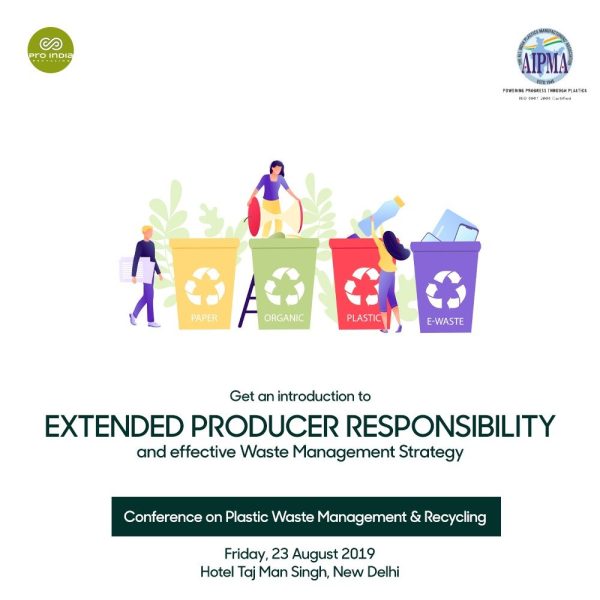
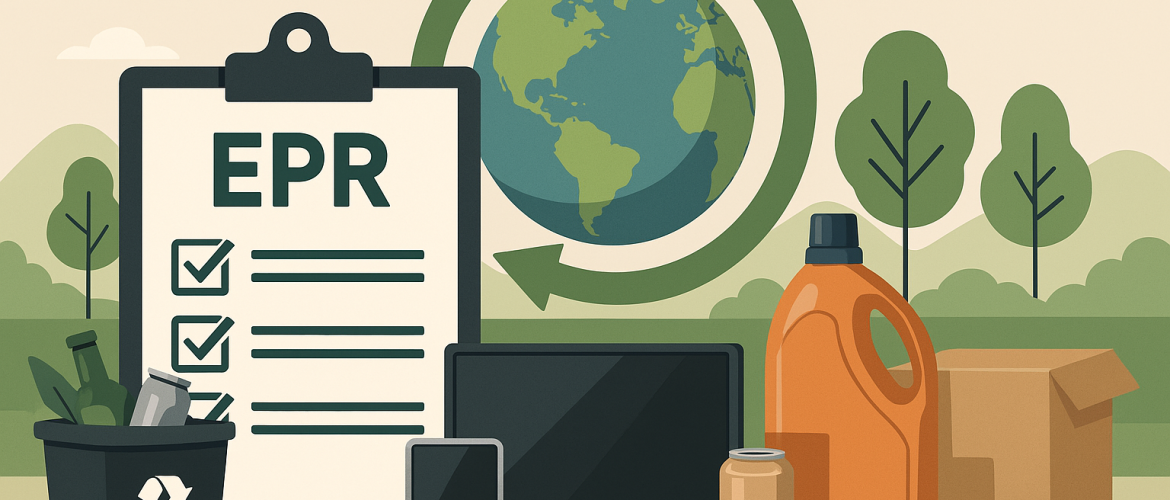
How Extended Producer Responsibility (EPR) Helps Fight Climate Change and Promote Circular Economy

How Extended Producer Responsibility (EPR) Helps Fight Climate Change and Promote Circular Economy As global efforts intensify to combat climate change, policy tools that promote sustainability are gaining traction. One such impactful strategy is Extended Producer Responsibility (EPR)—a system that places the responsibility of post-consumer waste management on producers. But how effective is EPR in addressing the climate crisis? This article explores how EPR reduces carbon emissions, promotes sustainable innovation, and supports the transition to a circular economy. What is Extended Producer Responsibility

IMG

Carbon Markets: Trading Solutions or Just Greenwashing?

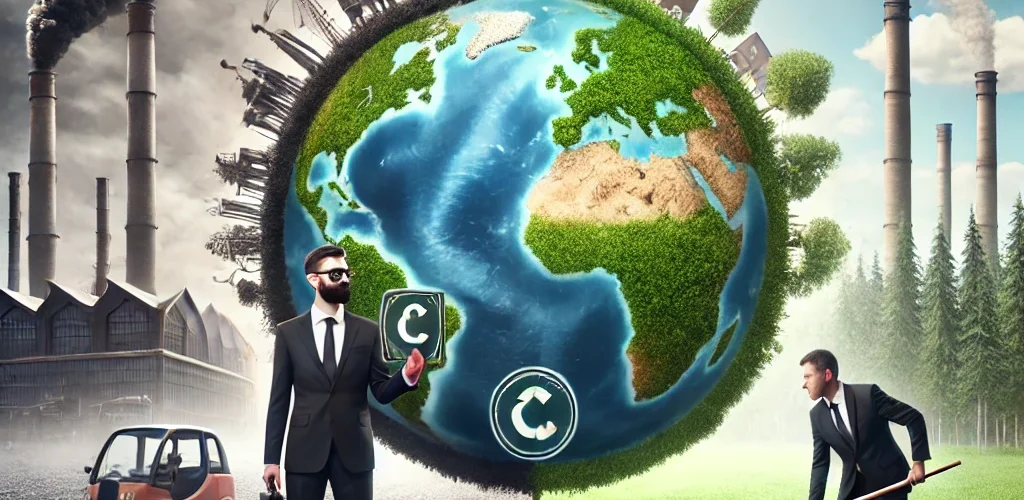
Carbon Markets: Trading Solutions or Just Greenwashing? In an era of heightened awareness about climate change, carbon markets have emerged as a potential solution for reducing global emissions. But as the urgency to combat climate change increases, questions arise about the true effectiveness of these markets. Are carbon markets a legitimate trading solution that can help us meet our net-zero targets, or are they just another form of greenwashing, allowing companies to appear sustainable without making real changes? In

CCS

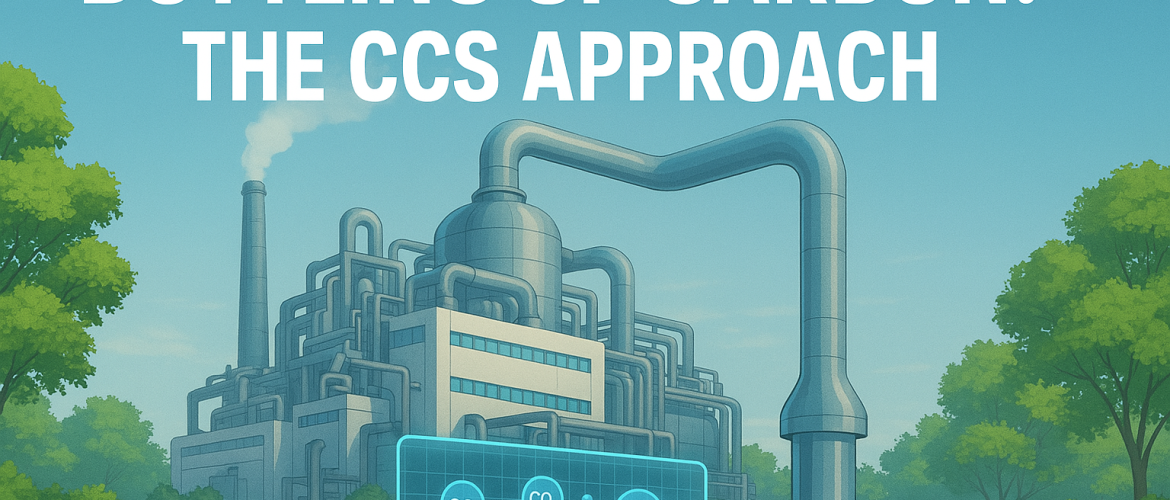
Bottling Up Carbon: The CCS Approach

Introduction Climate change is one of the most pressing issues of our time, and reducing carbon emissions is critical to slowing global warming. While renewable energy sources like wind and solar are gaining traction, industries such as power generation, cement, and steel manufacturing continue to rely on fossil fuels. These industries account for a significant portion of global greenhouse gas (GHG) emissions. One solution that is gaining momentum is Carbon Capture and Storage (CCS)—a technology designed to