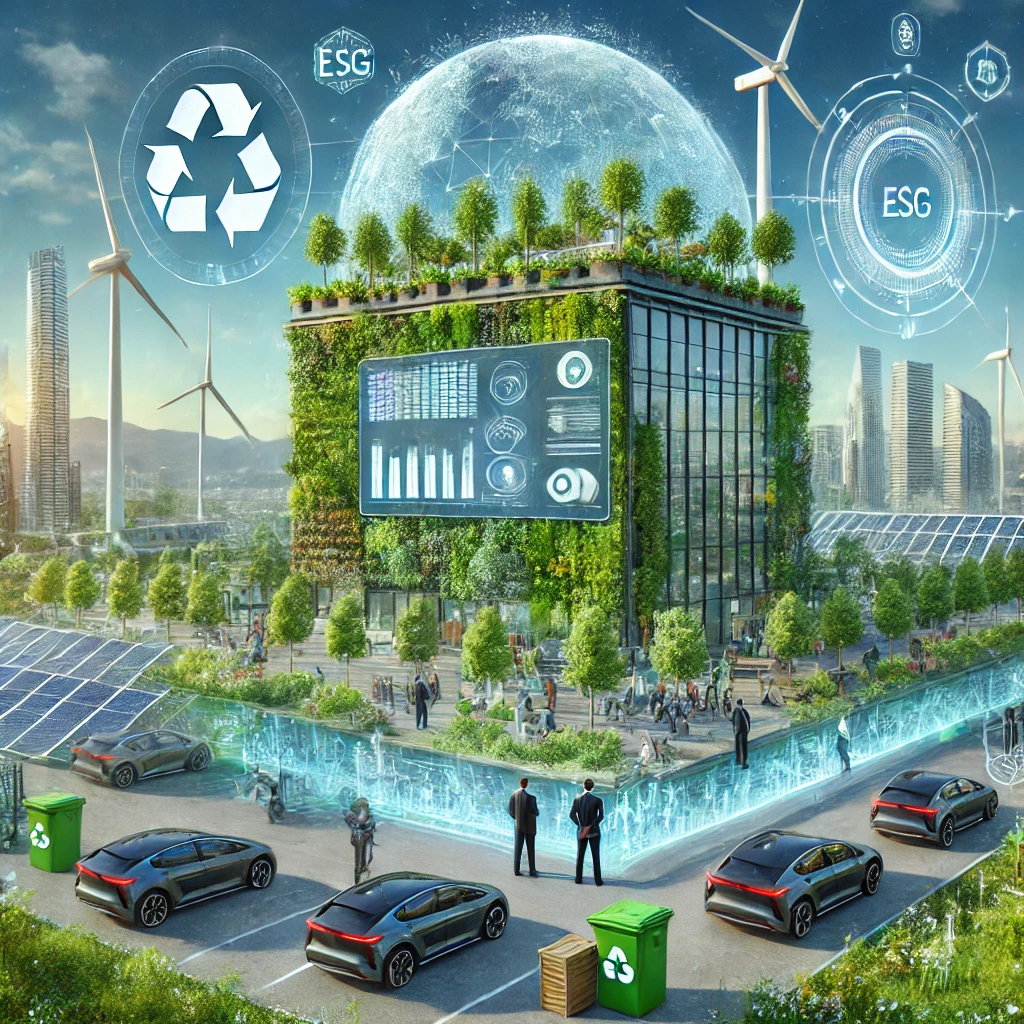
Introduction Today, sustainability is no longer just a trend—it’s a necessity. Among the tools promoting environmental responsibility, Extended Producer Responsibility (EPR) stands out, especially regarding plastic waste management. However, as EPR gains traction in corporate sustainability reporting, concerns are emerging. Are these EPR credits truly driving environmental change, or are they merely helping brands greenwash their image? In this blog, we dive deep into how EPR works, the rise of credit-based compliance, and why skepticism around plastic waste claims is growing. What is EPR
Plastic Waste Management in Business: Responsibility, Regulation, and Opportunity In today’s sustainability-conscious world, plastic waste management (PWM) has evolved from a compliance checkbox to a core business strategy. For companies across industries, managing plastic responsibly is not just about protecting the environment—it’s about protecting brand reputation, reducing costs, and staying competitive in a market that increasingly values environmental ethics. Plastic: A Business Convenience or a Long-Term Cost? Plastics have long been favored by industries for
In today’s fast-paced world, sustainability is no longer just a feel-good term — it’s a key ingredient for long-term business success. Companies that set green goals are discovering they can reduce costs, boost profitability, and build stronger connections with eco-conscious consumers. Let’s dive into how going green can unlock bigger gains for businesses. Why Green Business Practices Matter Adopting eco-friendly business strategies isn’t just good for the planet; it’s essential for staying competitive. Here’s how sustainability is transforming
- 1
- 2