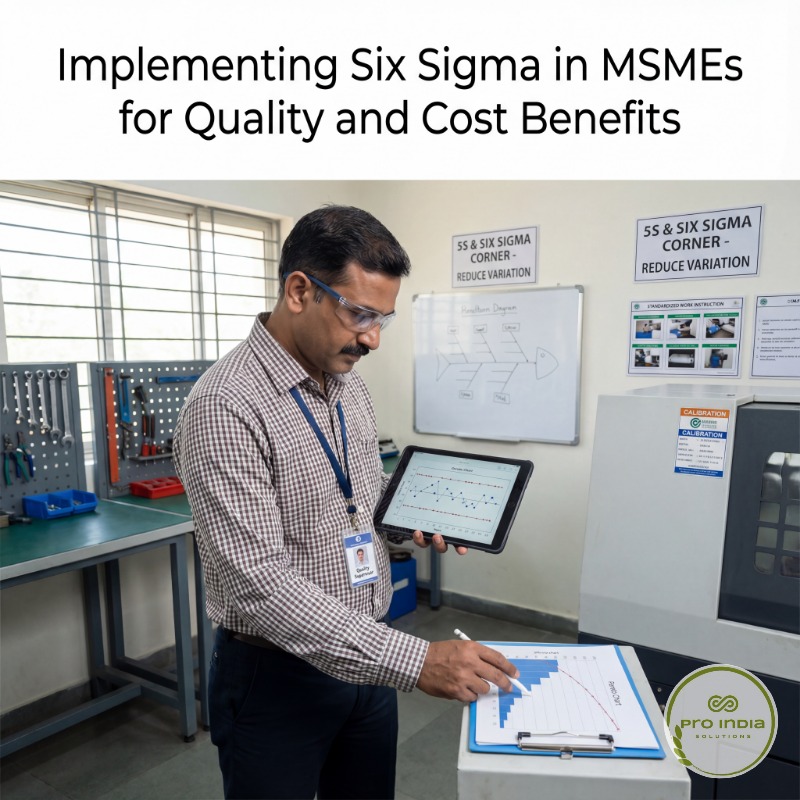

Strengthening Quality Performance Through Data and Defect Reduction Six Sigma offers MSMEs a structured way to reduce defects, improve consistency, and control operational waste. While world-class performance targets 3.4 defects per million opportunities, many MSMEs operate at a 2 to 3 sigma level with very high defect rates. Even improving to 4 sigma can reduce defects by nearly 90 percent and save 10 to 15 percent of revenue. Using the DMAIC approach helps MSMEs define specific problems, measure performance, and analyze
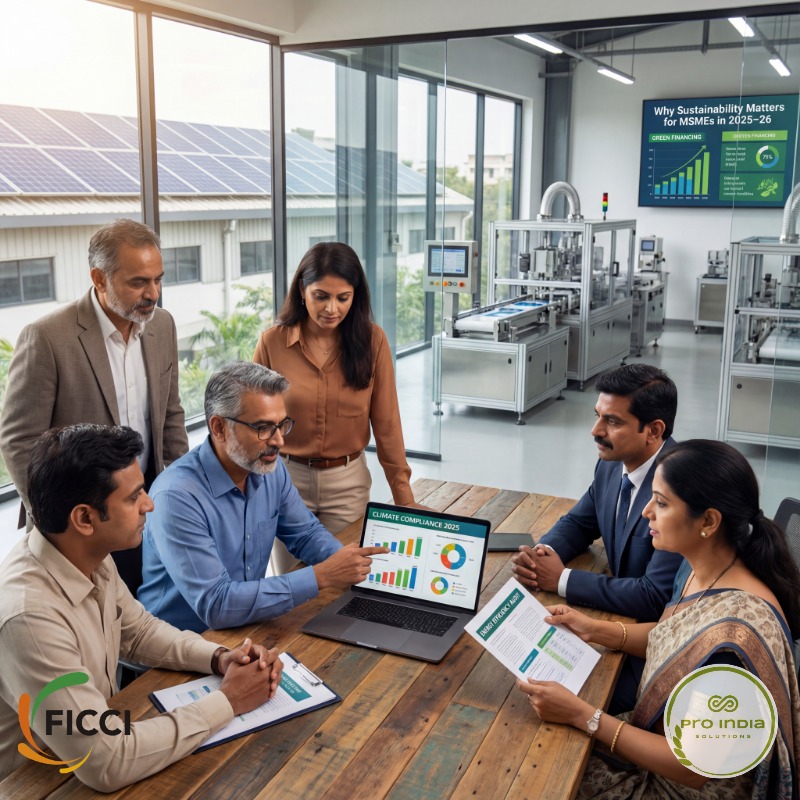
India’s Climate Commitments Create New Expectations for MSMEs India has committed to achieving net-zero emissions by 2070 and reducing emissions intensity by 45% by 2030 under the Paris Agreement. These commitments are not abstract policy goals; they translate into concrete expectations for every segment of industry, including the MSME sector. With MSMEs contributing nearly 30% of India’s GDP and employing millions across manufacturing, services and trade, their participation in the sustainability journey is no longer optional. Large corporations are cascading climate
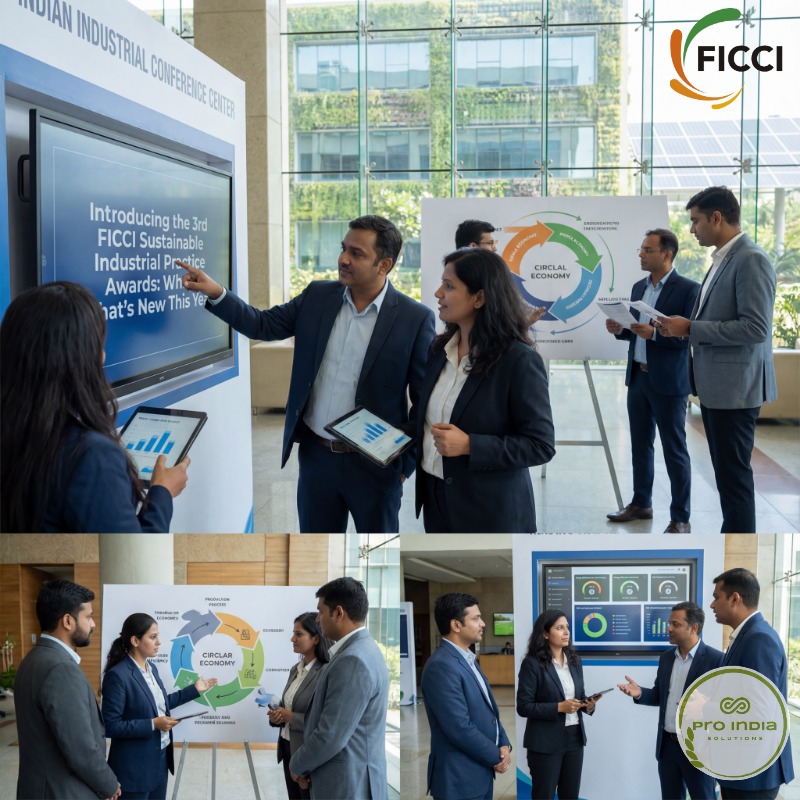
Introducing the 3rd FICCI Sustainable Industrial Practice Awards: What’s new this year? Expanding Scope to Reflect Emerging Priorities The FICCI Sustainable Industrial Practice Awards have evolved with each edition, and the third edition introduces notable enhancements that reflect the maturation of sustainability thinking in Indian industry. One significant addition is the inclusion of new assessment categories covering circular economy practices, water stewardship and biodiversity impact alongside the traditional focus areas of energy efficiency, emissions reduction and waste management. This broader lens acknowledges
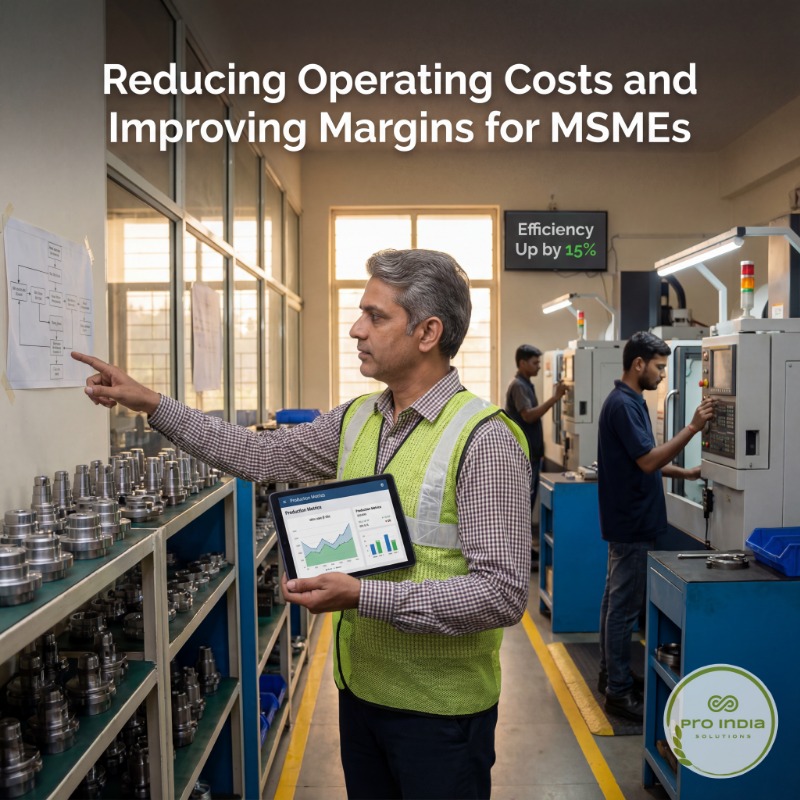
Optimizing Core Cost Drivers to Strengthen Cost Efficiency For most MSMEs, materials, energy, labor, and maintenance make up the bulk of operating costs, making these areas essential targets for improvement. Materials alone account for 50 to 70 percent of spending, and practices such as just-in-time inventory can reduce carrying costs by 15 to 25 percent. Partnering with a small group of reliable suppliers ensures better pricing and consistency, while daily waste tracking often uncovers 10 to 15 percent savings. Energy costs,
What Have Countries Opted For? – Outcome of INC-5 Geneva Session on Plastic Pollution The recently concluded second part of the Fifth Session of the Intergovernmental Negotiating Committee (INC-5), held in Geneva, Switzerland from 5th – 14th August 2025, brought together global leaders, policymakers, and organizations to address one of the world’s most pressing challenges – plastic pollution. The session aimed to drive consensus towards a legally binding global treaty to tackle plastic waste, including marine plastic pollution. With participation from 183
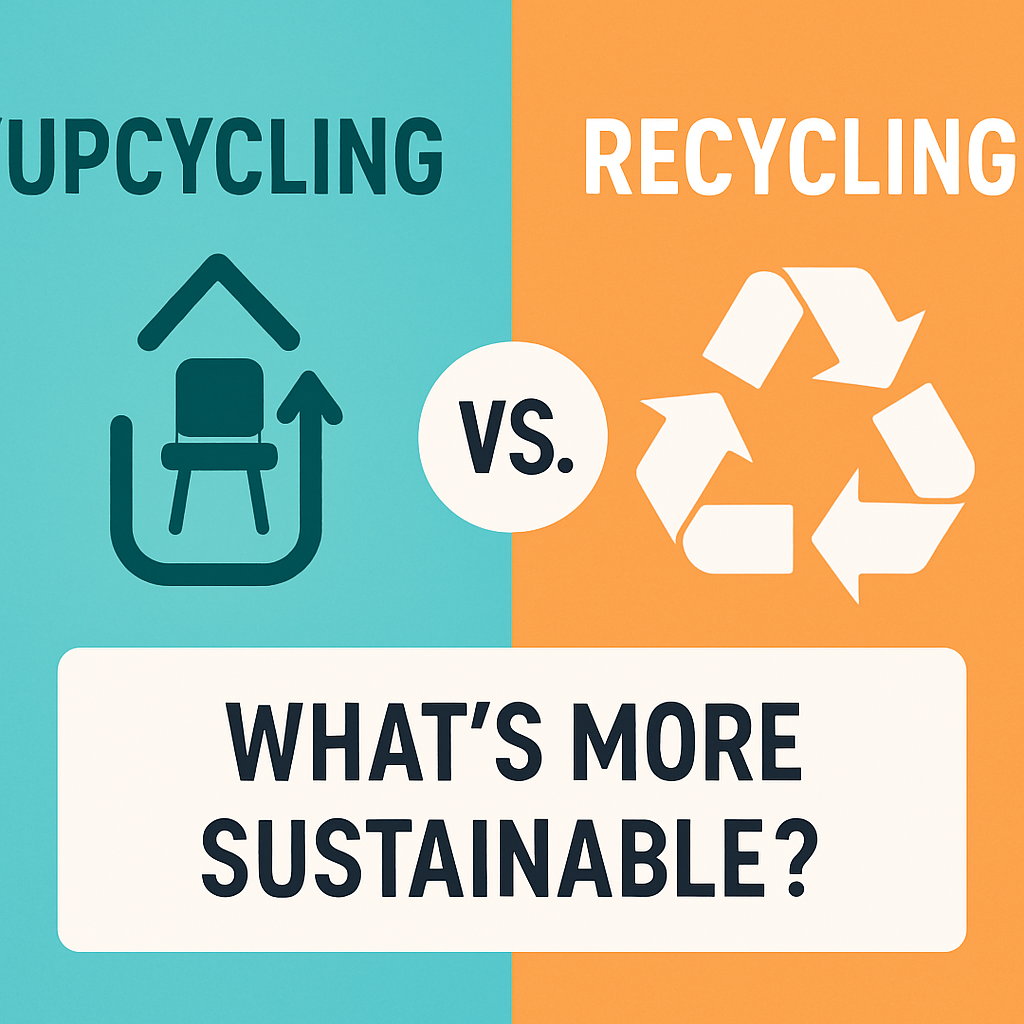
Introduction As sustainability becomes central to business strategy and consumer behavior, two terms often dominate the conversation: recycling and upcycling. Both are waste management techniques, but they differ significantly in process, output, and environmental impact. So, which is more sustainable—upcycling or recycling? In this blog, we unpack the differences, explore their respective benefits and limitations, and help you understand which approach aligns better with a circular economy. What is Recycling? Recycling is the process of breaking down waste materials and reprocessing them into new,
Introduction As the global plastic pollution crisis escalates, traditional recycling methods are proving inadequate to address the scale and complexity of plastic waste. One promising solution gaining traction is pyrolysis—a cutting-edge thermal decomposition process that converts plastic waste into valuable fuels and chemicals. This innovative technology not only offers a sustainable way to tackle non-recyclable plastics but also supports circular economy goals. In this blog, we explore what pyrolysis is, its role in plastic waste management, technical aspects, areas of implementation, key
In today’s sustainability-driven world, the concept of a circular product is more than just a trend—it’s a necessity. However, many businesses have begun labeling their products as “circular” without a full understanding of what that really means. This creates confusion for consumers and damages trust in the sustainability movement. So, when can a company legitimately claim a product is circular? And how can we distinguish authentic circularity from clever marketing? This blog explores the answers in detail. We’ll cover what circularity entails,
Why Collaboration, Not Competition, Is the Key to Solving Plastic Waste The plastic waste crisis is one of the most pressing environmental challenges of our time. But more than an ecological concern, it is a systemic issue rooted in global supply chains, consumer behavior, and waste infrastructure gaps. Despite growing sustainability pledges by businesses, fragmented actions have often resulted in inefficiencies and slow progress. In reality, no single company, sector, or government can tackle plastic pollution alone. If we are to transition
From Waste to Wealth: Circular Economy Success Stories in India ♻️ Introduction India generates over 62 million tonnes of waste annually, and the number is expected to rise with urbanization and consumption patterns. But amid this challenge lies a massive opportunity: the circular economy. The circular economy promotes a closed-loop system—reusing, recycling, and repurposing resources rather than discarding them. Across India, companies, startups, and innovators are showcasing how waste can become wealth, improving the environment while generating economic and social value. In this article,