
India’s EPR Annual Return filing deadline is June 30, 2026. Penalties include fines up to ₹1 lakh per day and prosecution. Here’s exactly what PIBOs must do — and why compliance is your brand’s biggest sustainability opportunity right now.

COP28, COP29 & COP30: A Three-Year Journey from Ambition to Action Over the past three years, the global climate conversation has undergone a significant transformation. While climate conferences have often been criticized for producing ambitious declarations without corresponding action, the progression from COP28 to COP30 reveals an important shift in priorities. The focus is gradually moving from setting climate ambitions, to identifying financial mechanisms, and finally to implementing measurable actions on the ground. For sustainability professionals, businesses, investors, and policymakers, understanding this


May 14, 2025
PFAS (Forever Chemicals) Contamination: A Growing Environmental Crisis In recent years, PFAS contamination has emerged as a critical environmental and public health issue across the globe. Often called “forever chemicals”, Per- and Polyfluoroalkyl Substances (PFAS) are man-made chemicals that resist degradation, making them both incredibly useful and alarmingly persistent. As awareness grows, so does concern. From drinking water to food packaging, these invisible contaminants are increasingly being found
April 30, 2025
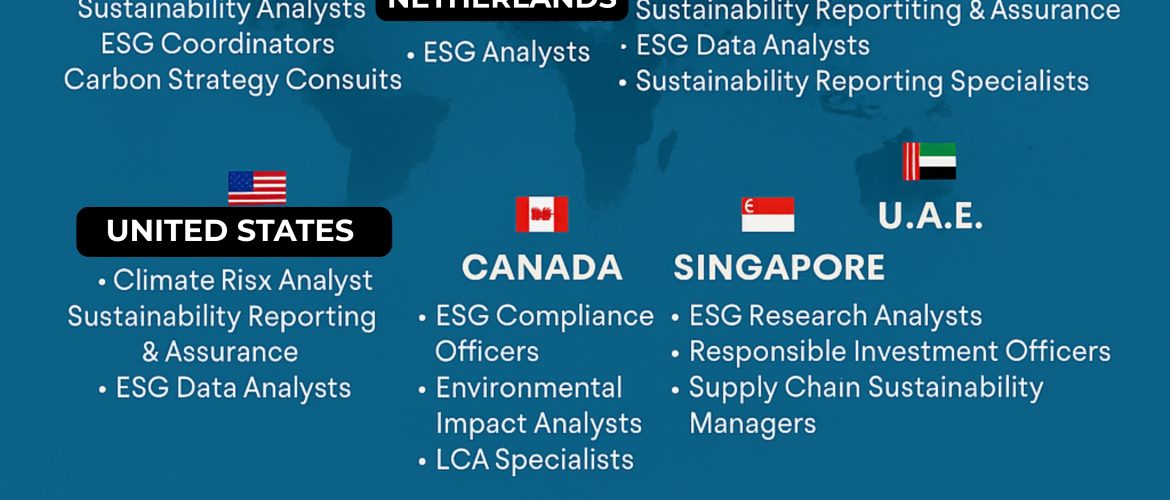
🌍 Exploring Global Career Opportunities After Completing an ESG Executive Course As sustainability becomes a global priority, professionals with ESG (Environmental, Social, and Governance) skills are more in demand than ever before. While many Indian professionals are familiar with domestic ESG trends, there’s a growing wave of global opportunities awaiting those equipped with the right knowledge and hands-on experience. In this blog, we explore the country-specific ESG career opportunities you can unlock after completing
April 19, 2025
ESG Reporting: From Compliance to Competitive Advantage Once seen as a box to check, ESG reporting has become a strategic lever for growth. Today, it’s about far more than regulatory compliance—it’s about building trust, resilience, and long-term business value. Companies that embrace Environmental, Social, and Governance (ESG) reporting as a core business practice are setting themselves apart. They’re attracting conscious consumers, retaining purpose-driven employees, and earning investor confidence. In short, they’re turning responsibility into competitive advantage. 1.

April 18, 2025
🌱 Solar Energy vs Wind Energy: Who’s Heading the Green Race? As climate change accelerates and fossil fuel reserves dwindle, the global shift toward renewable energy has never been more urgent. At the heart of this green revolution are two powerhouses: solar energy and wind energy. Both offer clean, sustainable alternatives to traditional energy sources — but which one is leading the charge toward a greener future? In this blog, we’ll explore the strengths,

April 5, 2025
What Are Zero Emissions and why it matters Zero emissions refer to the complete elimination of greenhouse gas emissions, particularly carbon dioxide (CO2), from human activities. This means that no harmful pollutants are released into the atmosphere from energy production, transportation, manufacturing, or other industrial processes. Achieving zero emissions is essential to mitigating the impacts of global warming and protecting ecosystems. The primary driver behind zero emissions is the urgent need to curb climate change. Rising global temperatures

April 2, 2025
Introduction In today’s business landscape, sustainability has become more than just a buzzword—it’s a competitive advantage. Consumers demand eco-friendly products, investors prioritise companies with strong Environmental, Social, and Governance (ESG) commitments, and regulators tighten their grip on corporate sustainability reporting. But with the rise of green claims comes the risk of greenwashing—when companies exaggerate or fabricate their environmental credentials to mislead stakeholders. So, how can we differentiate genuine corporate sustainability from deceptive marketing? The Rise of Greenwashing Greenwashing occurs
November 28, 2024
Navigating the Storm: Overcoming Challenges for Indian SMEs in Adopting ESG Practices In India’s dynamic economic ecosystem, small and medium enterprises (SMEs) are vital, driving innovation, employment, and growth. However, as sustainability becomes a global priority, these businesses face unique obstacles in adopting Environmental, Social, and Governance (ESG) practices. Despite the challenges, ESG offers SMEs an opportunity to innovate, strengthen their resilience, and secure a competitive edge. How can they overcome these hurdles and navigate the transition to sustainable practices? Understanding the Importance

November 27, 2024
Introduction BRSR for Investors Consumers and Businesses : In 2024, sustainability isn’t just an option—it’s a necessity that impacts every facet of business. With rising expectations from investors, consumers, and regulatory bodies, Indian businesses are increasingly being held accountable for their Environmental, Social, and Governance (ESG) practices. This is where the Business Responsibility and Sustainability Reporting (BRSR) framework, mandated by SEBI for the top 1000 listed companies, comes into play. BRSR offers transparency and insight into a company’s ESG