David Attenborough, an English broadcaster with BBC describes a sequence in which an albatross arrives at its nest to feed its young.
“And what comes out of the mouth?” he says. “Not fish, and not squid – which is what they mostly eat. Plastic.”
Attenborough calls this sight heart-breaking. It’s also strange. Albatrosses forage over thousands of kilometers in search of their preferred prey, which they pluck from the water with ease. How can such capable birds be so easily fooled, and come back from their long voyages with nothing but a mouthful of plastic?
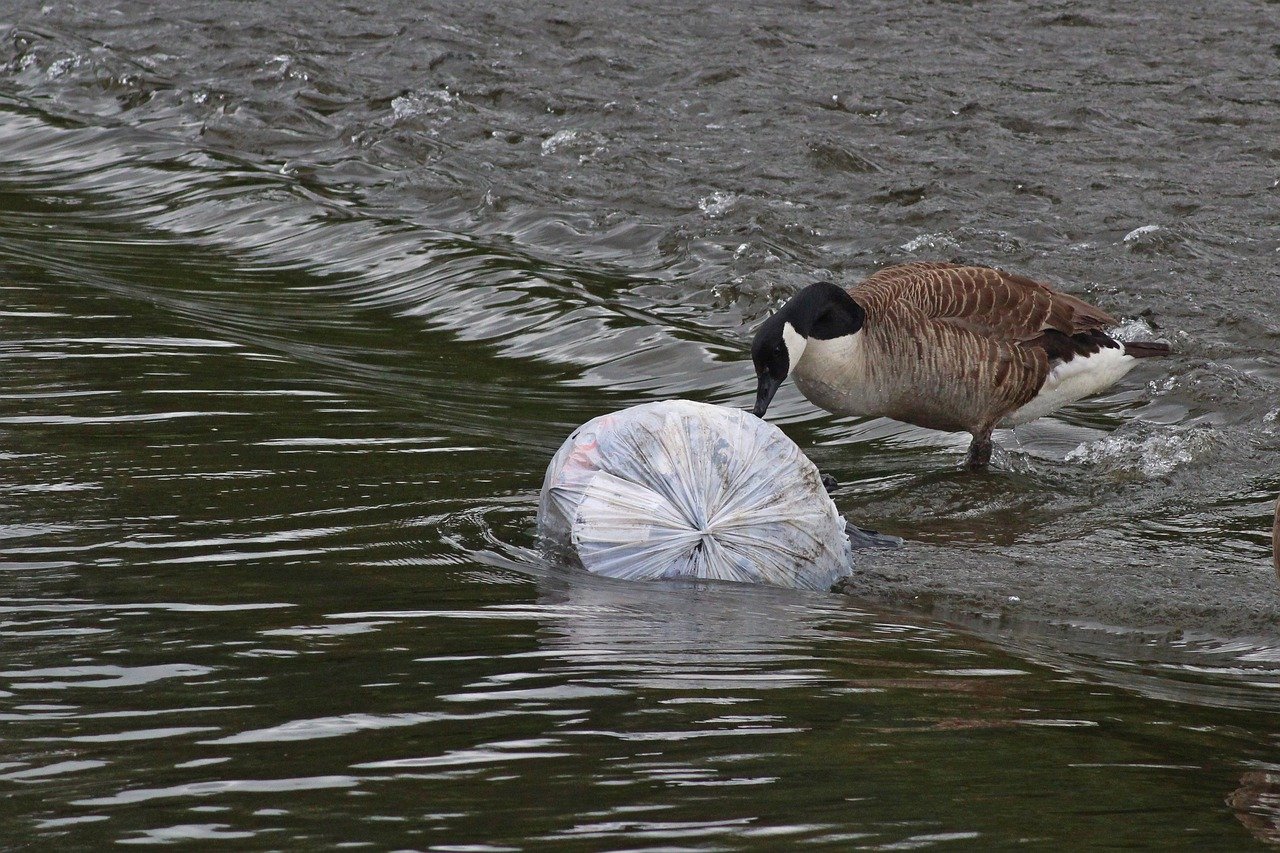
It’s small comfort to discover that albatrosses are not alone. At least 180 species of marine animals have been documented consuming plastic, from tiny plankton to gigantic whales. Plastic has been found inside the guts of a third of UK caught fish, including species that we regularly consume as food. It has also been found in other mealtime favorites like mussels and lobsters. In short, animals of all shapes and sizes are eating plastic and with 12.7 million tons of the stuff entering the oceans every year, there’s plenty to go around.
For sea cucumbers, plastic particles may simply be larger and easier to grab with their feeding tentacles than more conventional food items, but in other species there are indications that plastic consumption is more than just a passive process. Many animals appear to be choosing this diet.
Many marine animals hunt by echolocation, notably toothed whales and dolphins. Echolocation is known to be incredibly sensitive, and yet dozens of sperm whales and other toothed whales have been found dead with stomachs full of plastic bags, car parts and other human detritus. So if there is no ‘one size fits all’ solution, no aspect of plastic that we can easily change to prevent animals from eating it, then what can we take from our foray into the minds of plastic-eaters? Stories like Attenborough’s albatross will help to turn the consumer tide against disposable plastics and encourage people to empathize with these animals. Ultimately this will help to cut off the supply of junk food pouring into the oceans.
Source: BBC news