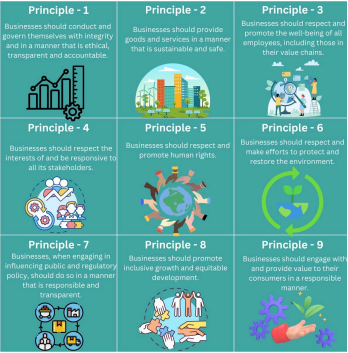
BRSR vs. GRI: Sustainability reporting has become a cornerstone of corporate governance, driven by heightened global awareness and increasing regulatory requirements. Among the prominent frameworks, India’s Business Responsibility and Sustainability Reporting (BRSR) and the internationally recognized Global Reporting Initiative (GRI) stand out as comprehensive approaches to Environmental, Social, and Governance (ESG) disclosures. While both prioritize transparency and accountability, their methodologies, scopes, and impacts differ significantly, making it essential for businesses to understand their
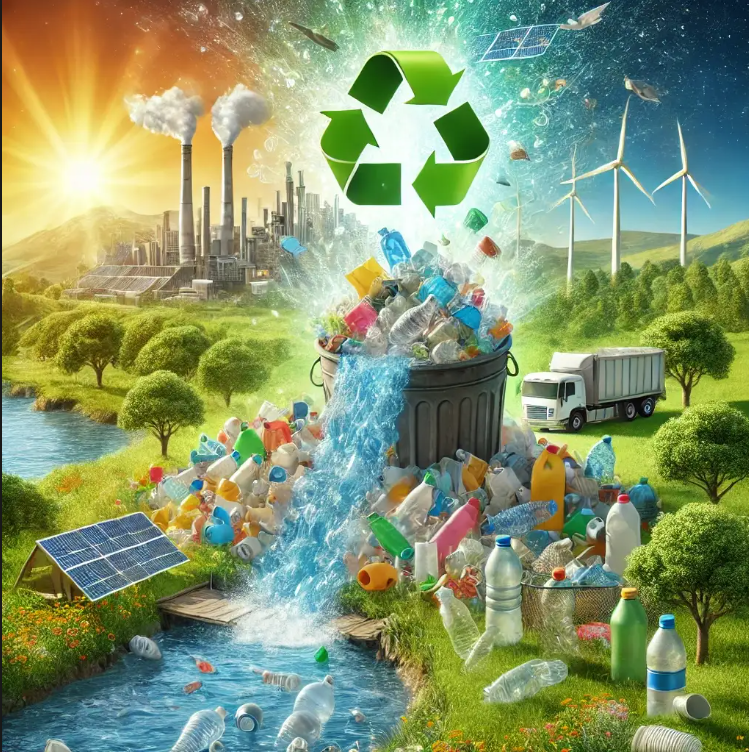
How EPR could revolutionize the fight against plastic waste: What You Need to Know! Plastic waste is choking our planet, polluting oceans, littering landscapes, and harming wildlife. As the crisis deepens, nations and industries worldwide are searching for innovative solutions to reduce the environmental impact of plastic. One strategy gaining traction is Extended Producer Responsibility (EPR). Could EPR be the key to revolutionizing the fight against plastic waste? Let’s dive into what EPR is, why it matters, and how it’s already making
Navigating the Storm: Overcoming Challenges for Indian SMEs in Adopting ESG Practices In India’s dynamic economic ecosystem, small and medium enterprises (SMEs) are vital, driving innovation, employment, and growth. However, as sustainability becomes a global priority, these businesses face unique obstacles in adopting Environmental, Social, and Governance (ESG) practices. Despite the challenges, ESG offers SMEs an opportunity to innovate, strengthen their resilience, and secure a competitive edge. How can they overcome these hurdles and navigate the transition to sustainable practices? Understanding the Importance
Introduction BRSR for Investors Consumers and Businesses : In 2024, sustainability isn’t just an option—it’s a necessity that impacts every facet of business. With rising expectations from investors, consumers, and regulatory bodies, Indian businesses are increasingly being held accountable for their Environmental, Social, and Governance (ESG) practices. This is where the Business Responsibility and Sustainability Reporting (BRSR) framework, mandated by SEBI for the top 1000 listed companies, comes into play. BRSR offers transparency and insight into a company’s ESG
The Future of BRSR Reporting in India: Paving the Path to Responsible Business India’s corporate world is buzzing with a new mandate that is set to redefine business responsibility and transparency—the Business Responsibility and Sustainability Reporting (BRSR) framework, introduced by the Securities and Exchange Board of India (SEBI). This framework is more than just a compliance requirement—it represents a proactive approach toward sustainability and responsible business practices. This revolutionary initiative has put sustainability reporting in the spotlight,
The Importance of ESG in India: A 2024 Perspective. As we enter 2024, the significance of Environmental, Social, and Governance (ESG) principles in India has never been more pronounced. In a rapidly evolving global landscape, integrating ESG into business practices is not just a trend but an imperative for sustainable growth and responsible stewardship. The convergence of economic ambition with environmental consciousness has placed India at a critical juncture where embracing ESG can catalyse transformative change across industries. A Catalyst for Sustainable
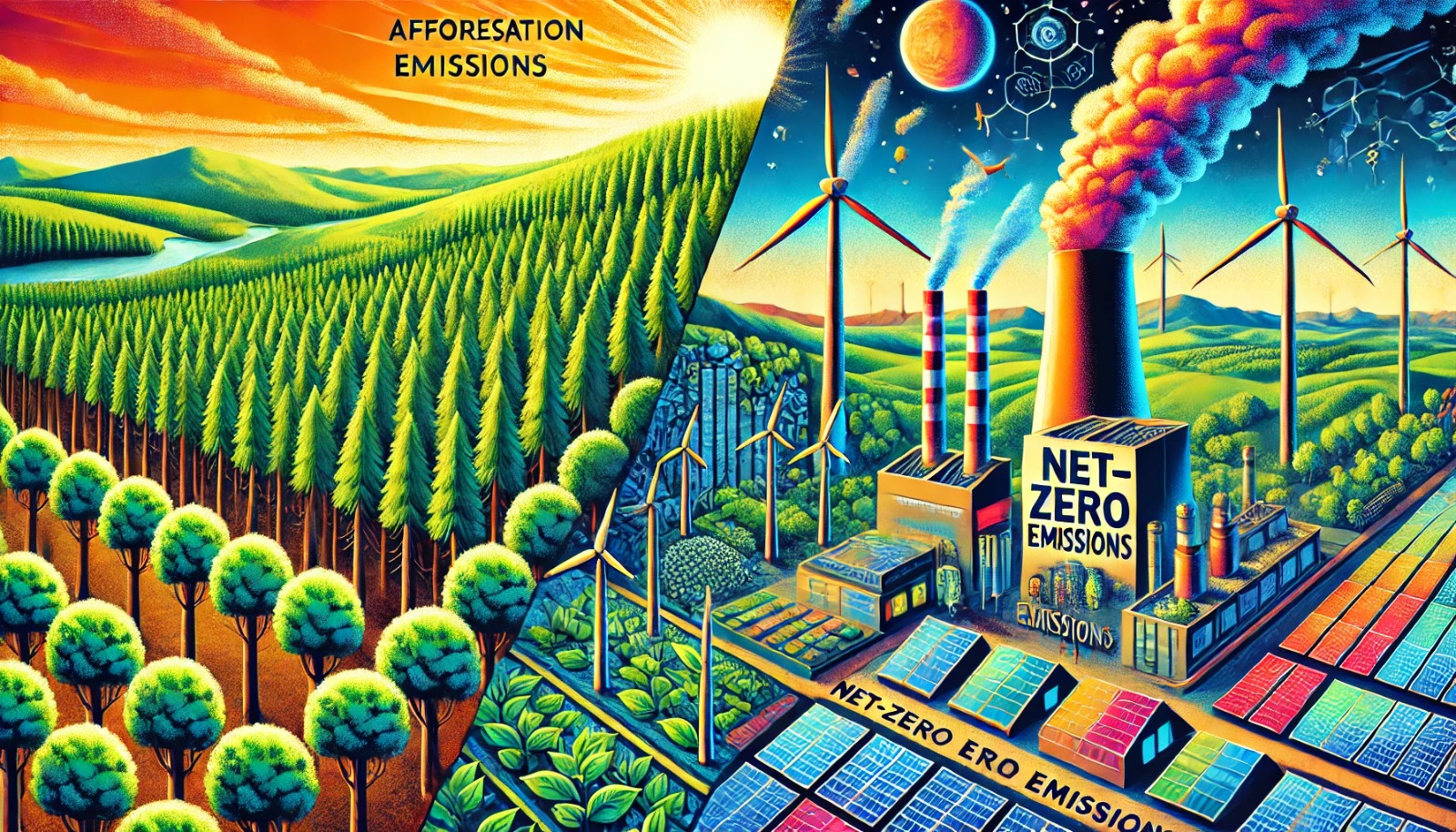
Introduction: The Net Zero Imperative Achieving Net Zero emissions is more important than ever. Climate change poses serious threats to our planet, prompting governments and businesses to adopt sustainable practices. Recently, the White House Council on Environmental Quality (CEQ) announced that 11 new countries have joined the Net-Zero Government Initiative (https://www.whitehouse.gov/ceq/news-updates/2023/12/08/ceq-announces-new-net-zero-government-initiative-countries-joining-u-s-to-cut-climate-emissions-from-government-operations/). This initiative aims to reduce climate emissions from government operations, setting a path towards net zero emissions by 2050. Such collective action highlights the need for international cooperation in tackling
The Harmonious Symphony of CSR and ESG: A Melody of Social Responsibility and Sustainable Growth In the grand orchestra of modern business, two acronyms resonate with unique harmony: CSR and ESG. They are not mere buzzwords or checkboxes on a corporate to-do list; they represent the essence of responsible business practices and sustainable growth. To understand their significance, we must delve into the intricate composition of Corporate Social Responsibility (CSR) and Environmental, Social, and Governance (ESG) principles. Unveiling the Enigma of Corporate
Introduction In the realm of sustainability, two acronyms often come up: SDGs and ESG. What exactly are they, and how do they work together to shape a better future for our planet? The Sustainable Development Goals (SDGs) have emerged as guiding stars in our quest for a world where economic prosperity, environmental stewardship, and social justice coexist. Established in 2015, these 17 goals represent our collective aspirations for a more sustainable and equitable future by 2030. But how do SDGs intertwine
“In a world where the consequences of environmental degradation are increasingly evident, the importance of sustainability has never been clearer.” Sustainability means meeting the needs of the present without compromising the ability of future generations to meet their own needs. It involves minimizing our ecological footprint and fostering a harmonious relationship between humans and the environment. Let’s explore some creative and effective sustainability approaches that are paving the way for a greener future. Circular Economy Firstly, the circular economy aims to redefine