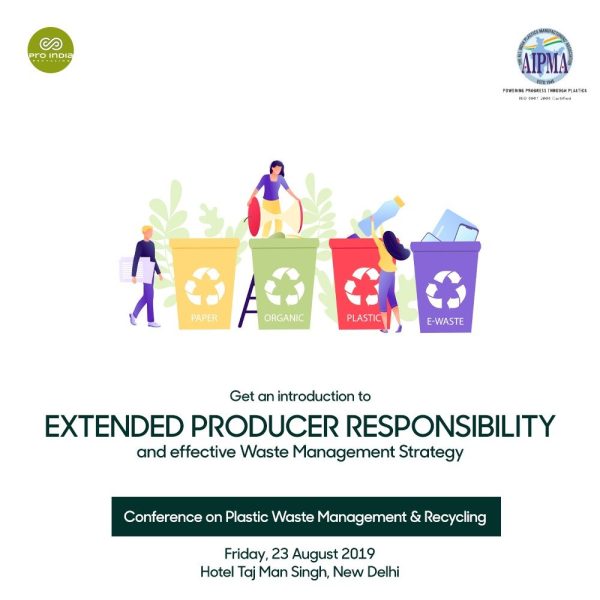

The Carbon Border Adjustment Mechanism (CBAM) is set to reshape global trade dynamics, and Indian exporters need to pay close attention. In simple terms, CBAM is the European Union’s way of putting a carbon cost on imported goods such as steel, cement, aluminum, and fertilizers, based on the emissions generated during their production. This means that if Indian products are more carbon-intensive compared to European standards, they could become more expensive and less competitive


December 16, 2025
Introducing the 3rd FICCI Sustainable Industrial Practice Awards: What’s new this year? Expanding Scope to Reflect Emerging Priorities The FICCI Sustainable Industrial Practice Awards have evolved with each edition, and the third edition introduces notable enhancements that reflect the maturation of sustainability thinking in Indian industry. One significant addition is the inclusion of new assessment categories covering circular economy practices, water stewardship and biodiversity impact alongside the traditional focus areas of energy efficiency, emissions reduction and waste management. This broader lens acknowledges

December 15, 2025
Optimizing Core Cost Drivers to Strengthen Cost Efficiency For most MSMEs, materials, energy, labor, and maintenance make up the bulk of operating costs, making these areas essential targets for improvement. Materials alone account for 50 to 70 percent of spending, and practices such as just-in-time inventory can reduce carrying costs by 15 to 25 percent. Partnering with a small group of reliable suppliers ensures better pricing and consistency, while daily waste tracking often uncovers 10 to 15 percent savings. Energy costs,

August 21, 2025
What Have Countries Opted For? – Outcome of INC-5 Geneva Session on Plastic Pollution The recently concluded second part of the Fifth Session of the Intergovernmental Negotiating Committee (INC-5), held in Geneva, Switzerland from 5th – 14th August 2025, brought together global leaders, policymakers, and organizations to address one of the world’s most pressing challenges – plastic pollution. The session aimed to drive consensus towards a legally binding global treaty to tackle plastic waste, including marine plastic pollution. With participation from 183

April 21, 2025
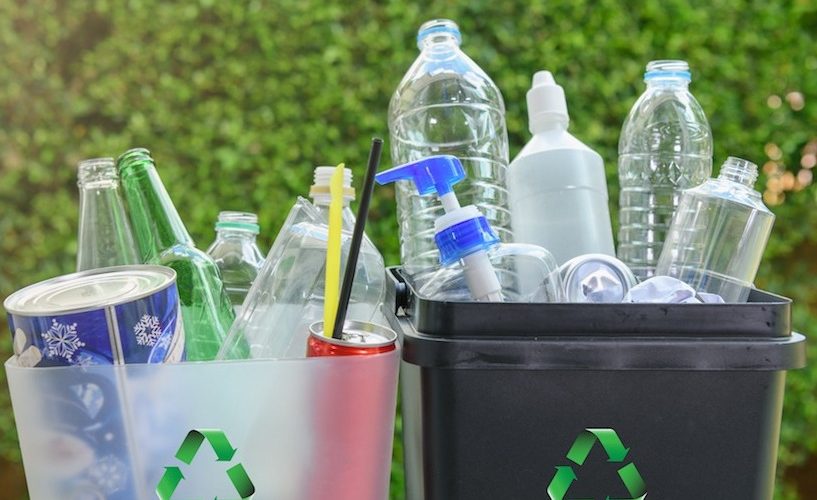
Plastic Waste Management in Business: Responsibility, Regulation, and Opportunity In today’s sustainability-conscious world, plastic waste management (PWM) has evolved from a compliance checkbox to a core business strategy. For companies across industries, managing plastic responsibly is not just about protecting the environment—it’s about protecting brand reputation, reducing costs, and staying competitive in a market that increasingly values environmental ethics. Plastic: A Business Convenience or a Long-Term Cost? Plastics have long been favored by industries for

April 5, 2025
What Are Zero Emissions and why it matters Zero emissions refer to the complete elimination of greenhouse gas emissions, particularly carbon dioxide (CO2), from human activities. This means that no harmful pollutants are released into the atmosphere from energy production, transportation, manufacturing, or other industrial processes. Achieving zero emissions is essential to mitigating the impacts of global warming and protecting ecosystems. The primary driver behind zero emissions is the urgent need to curb climate change. Rising global temperatures

April 2, 2025
Introduction In today’s business landscape, sustainability has become more than just a buzzword—it’s a competitive advantage. Consumers demand eco-friendly products, investors prioritise companies with strong Environmental, Social, and Governance (ESG) commitments, and regulators tighten their grip on corporate sustainability reporting. But with the rise of green claims comes the risk of greenwashing—when companies exaggerate or fabricate their environmental credentials to mislead stakeholders. So, how can we differentiate genuine corporate sustainability from deceptive marketing? The Rise of Greenwashing Greenwashing occurs
November 21, 2024
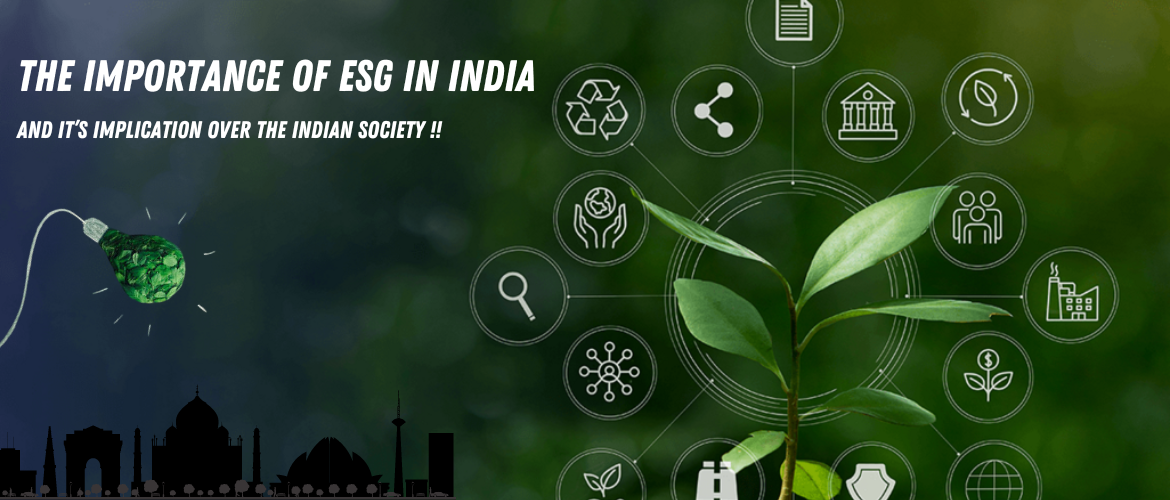
The Importance of ESG in India: A 2024 Perspective. As we enter 2024, the significance of Environmental, Social, and Governance (ESG) principles in India has never been more pronounced. In a rapidly evolving global landscape, integrating ESG into business practices is not just a trend but an imperative for sustainable growth and responsible stewardship. The convergence of economic ambition with environmental consciousness has placed India at a critical juncture where embracing ESG can catalyse transformative change across industries. A Catalyst for Sustainable
July 10, 2024
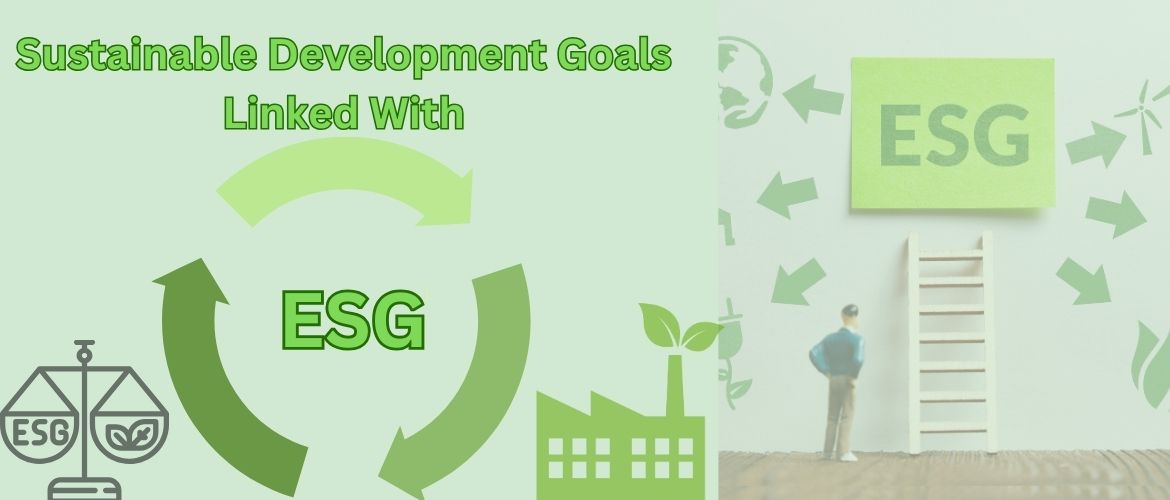
Introduction In the realm of sustainability, two acronyms often come up: SDGs and ESG. What exactly are they, and how do they work together to shape a better future for our planet? The Sustainable Development Goals (SDGs) have emerged as guiding stars in our quest for a world where economic prosperity, environmental stewardship, and social justice coexist. Established in 2015, these 17 goals represent our collective aspirations for a more sustainable and equitable future by 2030. But how do SDGs intertwine
February 15, 2024
In a world grappling with plastic pollution, let’s stand as a beacon of change with its groundbreaking Plastic Credit initiatives. We’re not just talking about reducing plastic usage; we’re talking about transforming plastic waste into a force for good known as Plastic Credit. And these credits are not just numbers; they represent a commitment to a cleaner, healthier planet With the introduction of the ground-breaking idea of Plastic Credits, let’s stand out as a change agent in
- 1
- 2