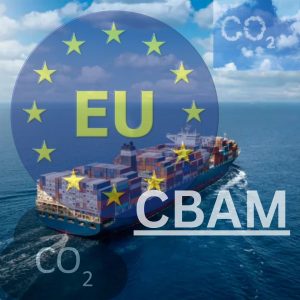
The Carbon Border Adjustment Mechanism (CBAM) is set to reshape global trade dynamics, and Indian exporters need to pay close attention. In simple terms, CBAM is the European Union’s way of putting a carbon cost on imported goods such as steel, cement, aluminum, and fertilizers, based on the emissions generated during their production. This means that if Indian products are more carbon-intensive compared to European standards, they could become more expensive and less competitive in the EU market.
For India, this has direct implications, especially for sectors like iron & steel and aluminum, which form a significant share of exports to Europe. Exporters will now be required to measure, report, and verify their emissions at a product level, and in many cases, may also have to bear additional carbon costs. While large corporations may have the resources to adapt, MSMEs could face a bigger challenge due to limited technical expertise in carbon accounting, lack of access to capital for cleaner technologies, and the risk of losing export orders due to non-compliance. In many ways, CBAM could act as a non-tariff barrier, making sustainability readiness a key determinant of market access.
However, this shift also presents an opportunity. Businesses that start early by understanding their carbon footprint, improving energy efficiency, and transitioning towards renewable energy can significantly reduce their exposure. Building robust ESG data systems and ensuring transparency in reporting will become critical, as global buyers increasingly demand credible sustainability data. Collaboration across the value chain—from suppliers to manufacturers—will also be essential to ensure accurate carbon tracking and reduction. Additionally, exploring green financing options can help companies invest in cleaner technologies without putting pressure on cash flows.
CBAM is not just about compliance; it is about being future-ready. Companies that proactively adapt to these changes can position themselves as low-carbon, responsible suppliers and gain a competitive edge in global markets, while those that delay may find themselves at a disadvantage in an increasingly sustainability-driven trade environment.