
Introducing the 3rd FICCI Sustainable Industrial Practice Awards: What’s new this year? Expanding Scope to Reflect Emerging Priorities The FICCI Sustainable Industrial Practice Awards have evolved with each edition, and the third edition introduces notable enhancements that reflect the maturation of sustainability thinking in Indian industry. One significant addition is the inclusion of new assessment categories covering circular economy practices, water stewardship and biodiversity impact alongside the traditional focus areas of energy efficiency, emissions reduction and waste management. This broader lens acknowledges
Optimizing Core Cost Drivers to Strengthen Cost Efficiency For most MSMEs, materials, energy, labor, and maintenance make up the bulk of operating costs, making these areas essential targets for improvement. Materials alone account for 50 to 70 percent of spending, and practices such as just-in-time inventory can reduce carrying costs by 15 to 25 percent. Partnering with a small group of reliable suppliers ensures better pricing and consistency, while daily waste tracking often uncovers 10 to 15 percent savings. Energy costs,
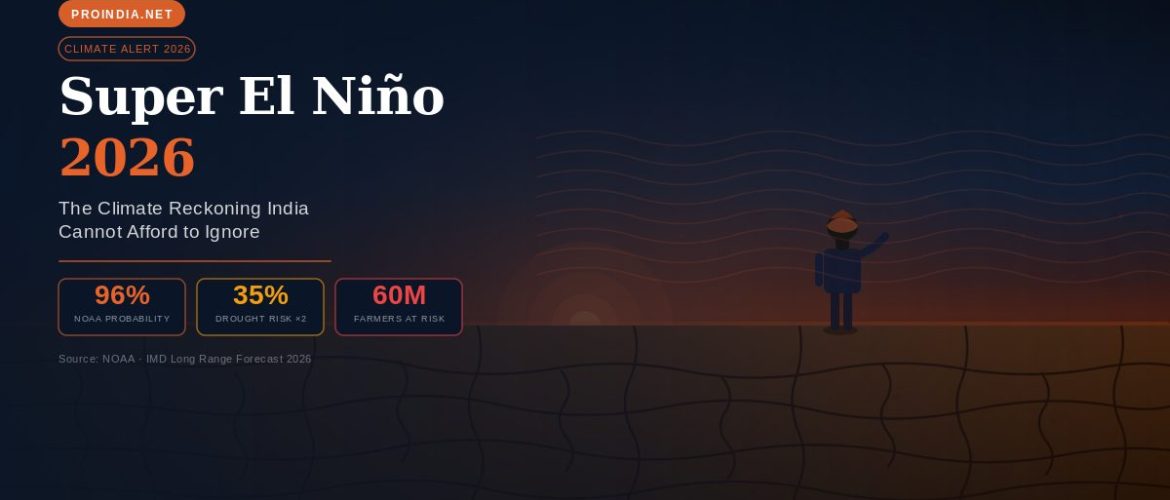
Climate Chaos: Adapting to the New Business Normal The world is facing an era of unprecedented climate instability. From extreme weather events to supply chain disruptions, businesses are no longer just observers of climate change—they are on the front lines. Companies that fail to adapt risk financial instability, operational challenges, and repetitional damage. The new business normal is one where sustainability and resilience must be embedded into every decision. The Reality of Climate Chaos Rising global temperatures, erratic weather
What Are Zero Emissions and why it matters Zero emissions refer to the complete elimination of greenhouse gas emissions, particularly carbon dioxide (CO2), from human activities. This means that no harmful pollutants are released into the atmosphere from energy production, transportation, manufacturing, or other industrial processes. Achieving zero emissions is essential to mitigating the impacts of global warming and protecting ecosystems. The primary driver behind zero emissions is the urgent need to curb climate change. Rising global temperatures
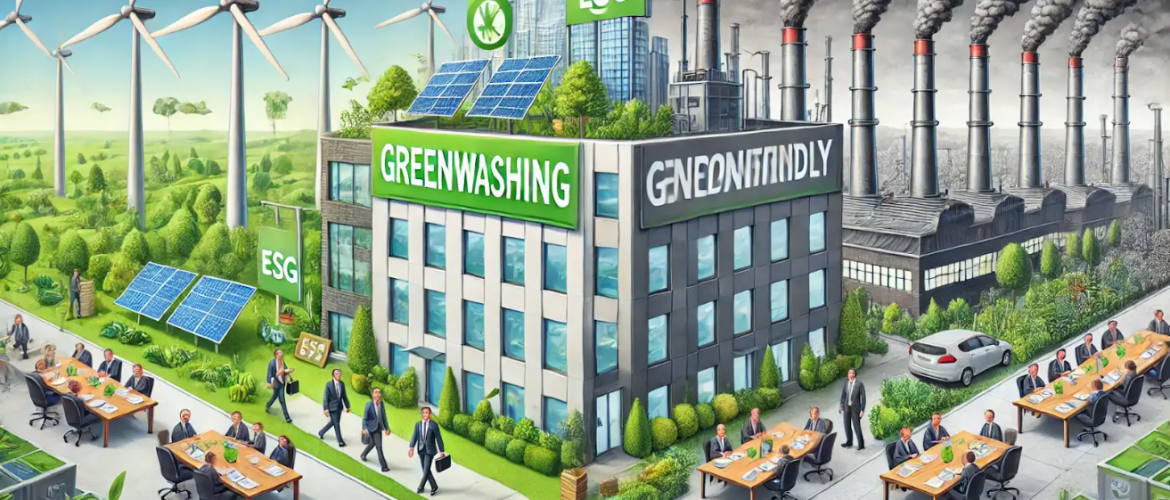
Introduction In today’s business landscape, sustainability has become more than just a buzzword—it’s a competitive advantage. Consumers demand eco-friendly products, investors prioritise companies with strong Environmental, Social, and Governance (ESG) commitments, and regulators tighten their grip on corporate sustainability reporting. But with the rise of green claims comes the risk of greenwashing—when companies exaggerate or fabricate their environmental credentials to mislead stakeholders. So, how can we differentiate genuine corporate sustainability from deceptive marketing? The Rise of Greenwashing Greenwashing occurs
Introduction: Rewriting the Climate Code Climate change is no longer a distant threat, it’s an urgent reality that demands immediate action. With rising global temperatures, extreme weather events, and widespread environmental degradation, the need for a comprehensive solution has never been more critical. But what if we could rewrite the climate code, creating a sustainable roadmap that will safeguard our planet for future generations? In this blog, we’ll explore how rewriting the climate code isn’t just a theoretical
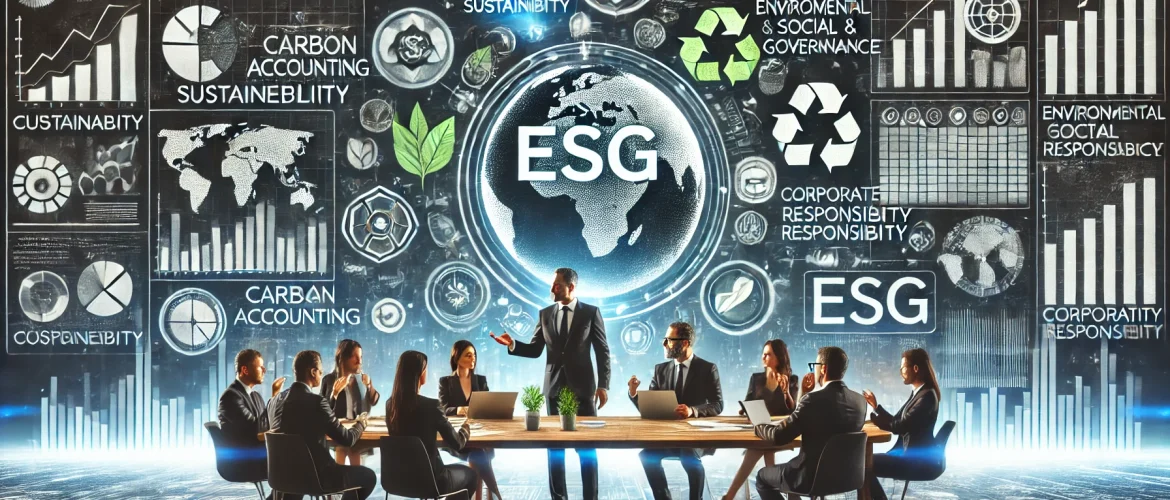
The Growing Importance of ESG Expertise Environmental, Social, and Governance (ESG) considerations are now central to how businesses operate. Companies across industries are integrating sustainability into their strategies to meet regulatory requirements, attract responsible investors, and build long-term resilience. This shift has created a high demand for professionals skilled in carbon accounting, ESG reporting, sustainability assessments, and compliance frameworks. Whether you are an individual seeking career growth or a business looking to enhance ESG
The ESG Dilemma: Is Greenwashing Undermining Corporate Sustainability Efforts? Environmental, Social, and Governance (ESG) principles have become the gold standard for assessing corporate responsibility and sustainability. However, as ESG gains traction, a darker side has emerged: the rise of greenwashing. This controversial practice raises questions about whether ESG is genuinely driving change or simply serving as a PR tool for corporations. To become an ESG expert get certification now click on: certificate What is Greenwashing? Greenwashing occurs
Sustainability has become a critical driver of modern business strategies. As organizations seek to align their operations with global sustainability objectives, two frameworks have emerged as key guiding principles: Environmental, Social, and Governance (ESG) and the United Nations Sustainable Development Goals (UN SDGs). While ESG focuses on corporate practices, the SDGs outline a universal agenda to address pressing global challenges by 2030. The synergy between ESG and the UN
The Role of ESG in Shaping the Future Workforce: Why Students and Recent Graduates Should Care About Sustainability In a world increasingly driven by sustainability, Sustainability Reporting, Environmental, Social, and Governance (ESG) principles have emerged as a cornerstone for businesses and organizations striving for long-term success. For students and recent graduates, understanding and embracing ESG is not just a trend—it’s a career imperative. Here’s why ESG matters to the future workforce and how young professionals can prepare to thrive